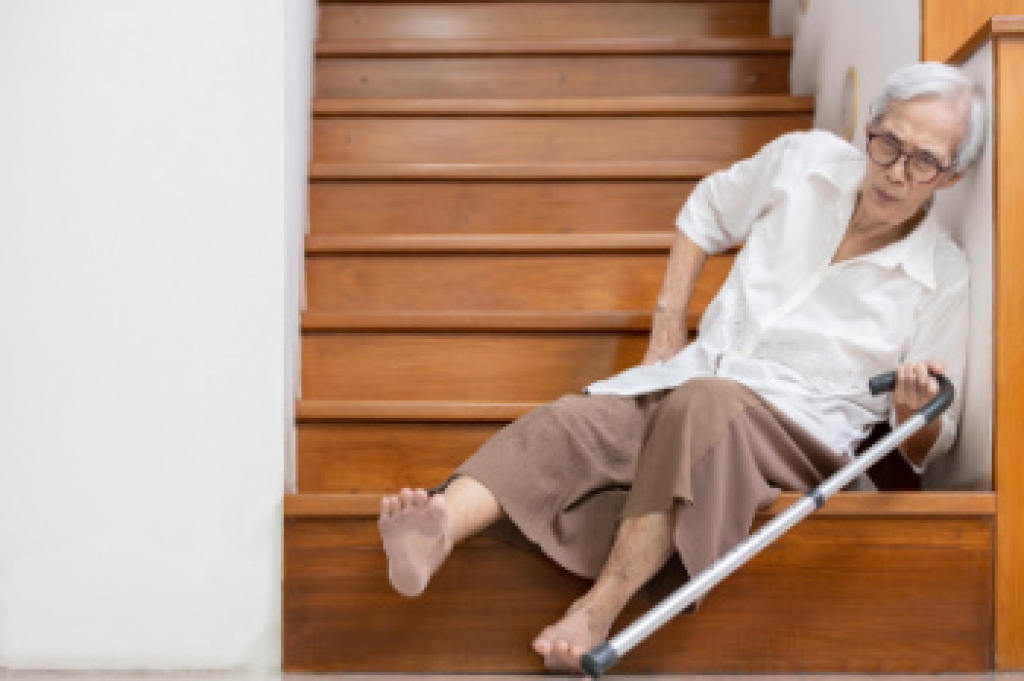
Mobility Problems and Risks of Falling

Anyone can fall, but the risk rises with age or problems that affect balance and movement. Foot pain, weak ankles, and reduced feeling can make each step less steady. Corns, thick toenails, or swollen feet can also change how a person walks. Poorly-fitting shoes can add to the problem by allowing the feet to slide or limiting support. Preventing falls helps protect against serious injuries. It can also preserve confidence and independence, making it easier to remain active and complete daily tasks safely.

A chiropodist can examine the feet to find problems that might affect stability. The assessment includes checking the skin, nails, and joints. The chiropodist can also observe how the patient stands and walks. Treatment can reduce pain from corns, calluses, or nail problems that make weight-bearing uncomfortable. A chiropodist can also recommend properly-fitted shoes with secure fastenings, firm heel support, and slip-resistant soles. Custom orthotics can improve foot position and distribute pressure more evenly. These features can help the feet feel more stable while walking on varied surfaces.

People who have fallen or feel unsteady should not ignore changes in their feet. Numbness, weakness, or ongoing pain can affect balance and increase the chance of another fall. A chiropodist can monitor these concerns and provide regular foot care when bending or seeing the feet is difficult. The chiropodist can identify wounds, swelling, or changes in circulation that require further medical attention. When a fall occurs, the person should stay calm and check for pain before trying to rise. Someone who cannot get up or may have a serious injury needs urgent medical help. Regular foot assessments can support safer movement by addressing problems early. If you have fallen and have injured a foot or ankle, it is suggested that you schedule an appointment with a chiropodist for a diagnosis and appropriate treatment.

Falls are a common but preventable problem for older adults. If you would like to learn more about preventing falls, please consult with one of the chiropodists from Complete Family Footcare & Therapy. Our clinicians can help you maintain the health of your lower limbs and your mobility. 

Did you know that most falls occur in the home? Fortunately, there are many simple changes that you can make to the living environment to reduce the risk of falling. 

In the Bathroom:

  • Install grab bars near toilets, bathtubs, and showers
  • Put non-skid mats on all surfaces that may get wet

In the Bedroom:

  • Keep a light near the bed so that you can easily turn it on if you have to get up at night
  • Keep the path from your bedroom to the bathroom clutter-free and well-lit
  • Consider installing a bed rail for added support

In the Kitchen:

  • Use non-skid mats
  • Wipe up any spills immediately
  • Move commonly used items to areas that are easily within your reach

In the Hallways:

  • Place handrails on both sides of the stairs
  • Install good lighting in the hallways and around the entire home
  • Keep hallways free of clutter
  • Don’t use throw rugs or small area rugs

In Other Living Areas: 

  • Keep loose cables, cords, and wires near the wall and away from walking surfaces
  • Make sure that all carpets and rugs are secure firmly to the floor
  • Arrange your furniture so that it is not in your way when you walk
  • Use chairs and couches that you can easily get up from

If you have any questions please feel free to contact our offices located in North York and Mississauga, ON . 

Read more about Falls Prevention

High Ankle Sprain Symptoms and Treatment

A high ankle sprain affects ligaments that connect two lower-leg bones above the ankle. These bands hold both bones together and stabilize the joint. Injury occurs when the foot twists outward while the leg rotates inward. This can make the ankle feel weak and unstable. Contact sports, a sudden change in direction, and an awkward landing can produce this force. Unlike a low ankle sprain, which affects ligaments along the outside of the ankle, this injury causes pain higher up and can take longer to heal.

Symptoms include pain above the ankle, swelling, and difficulty placing weight on the injured foot. Pain is sharper when climbing stairs, turning, or bending the ankle upward. Bruising may develop, but is not always present. A severe injury can occur with a broken bone, so the ankle should receive a professional assessment. A chiropodist can ask how the injury happened and locate a painful area. The examination can check joint movement, stability, and the patient’s ability to stand. X-rays or other scans can help rule out a fracture and show the extent of ligament damage.

Treatment depends on the severity of the sprain and whether the ankle remains stable. A chiropodist can provide a supportive brace or walking boot to protect the injured ligaments. Advice on weight-bearing can reduce strain while healing takes place. The chiropodist can monitor swelling, movement, and progress at follow-up visits. Once the ligaments are ready for greater activity, guidance on a gradual return can lower the chance of another injury. Properly-fitted shoes can improve stability, especially for sports or work that involves quick turns. Consistent pain, marked swelling, or an inability to bear weight requires prompt assessment. If you have symptoms of a high ankle sprain, it is suggested that you schedule an appointment with a chiropodist for a diagnosis and appropriate treatment.

When one or more ligaments in the ankle overstretch or tear due to injury, an ankle sprain occurs. If you would like to learn more about ankle sprains, please consult with one of the chiropodists from Complete Family Footcare & Therapy. Our clinicians can help you maintain the health of your lower limbs and your mobility. 

Symptoms of an ankle sprain vary depending on the severity of the injury, but may include: 

  • Pain
  • Swelling
  • Bruising
  • Tenderness
  • Difficulty walking
  • Ankle instability
  • A reduced range of motion in the ankle 

Treatments for an ankle sprain may consist of: 

  • Resting the injured ankle
  • Applying ice
  • Elevating the ankle
  • Compressing the ankle
  • Over-the-counter pain medications
  • Ankle braces or other devices to take weight off of the ankle
  • Ankle exercises
  • Surgery (in rare cases) 

It’s important for the sprained ankle to heal correctly and fully in order to avoid repeated injury. If you have any questions please feel free to contact our offices located in North York and Mississauga, ON . 

Read more about Ankle Sprains

Connect With Us

Advanced Podiatric Procedures & Services in the North York, ON M2J 2K9 (Newtonbrook, York Mills, Willowdale, Clanton Park, Parkwoods, Don Mills, Milliken, Thornhill, Langstaff, Agincourt, Bayview Village) and Mississauga, ON L5L 5M5 (Erin Mills, Erindale, Cooksville, Port Credit, Clarkson, Streetsville, West Oak Trails, Clearview, Uptown Core, Kerr Village) areas