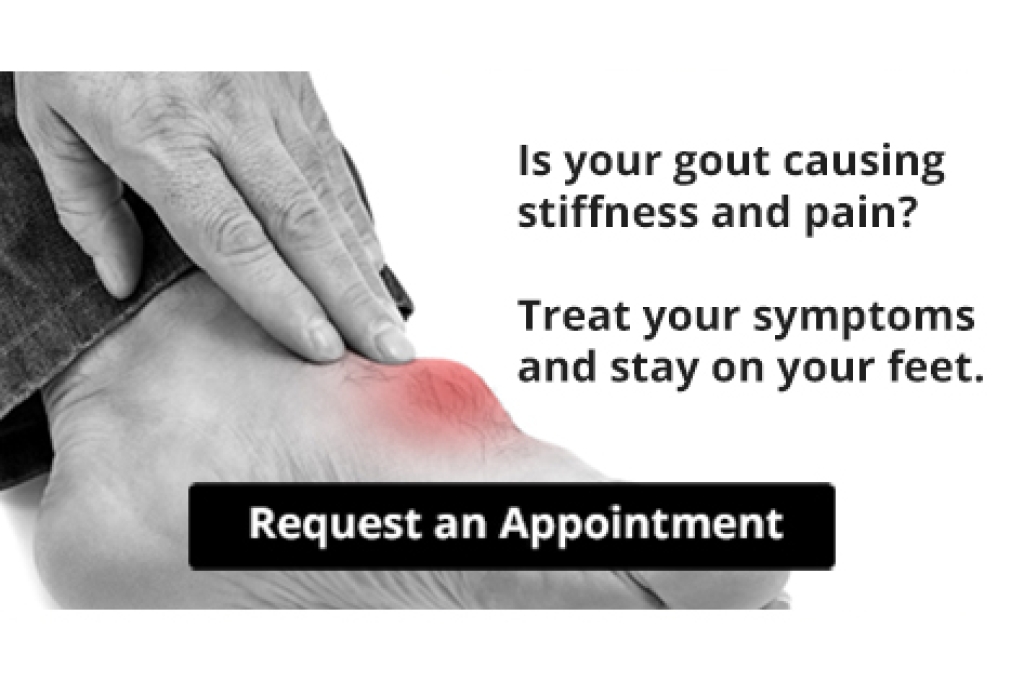
Gout is a painful, inflammatory form of arthritis. Those affected will typically feel an intense stiffness in the joints of their feet, particularly in the big toe. Schedule a visit to learn about how gout can be managed and treated.
Gout is a painful, inflammatory form of arthritis. Those affected will typically feel an intense stiffness in the joints of their feet, particularly in the big toe. Schedule a visit to learn about how gout can be managed and treated.
 Diabetes is a systemic disorder characterized by high blood sugar. One area of the body that this condition is particularly hard on is the feet. Diabetes is associated with diabetic neuropathy, a form of nerve damage caused by high blood sugar levels. The nerves in the lower limbs are frequently affected. When these nerves are damaged, sensory information does not travel properly from the lower limbs to the brain. This means that pain signals from foot injuries, such as cuts and scrapes, are less likely to register and injuries go unnoticed until they have gotten progressively worse. Diabetes also causes poor circulation. Without the blood delivering adequate nutrients to damaged areas, foot injuries will heal slowly and poorly. Even small cuts can quickly become diabetic foot wounds and ulcers, with an increased risk of infection and related complications due to another problem associated with diabetes — an insufficient immune system. Being proactive about foot care is the best way to prevent diabetic foot wounds and their many complications. To learn more about caring for diabetic feet, please consult with a chiropodist.
Diabetes can cause serious problems in the lower limbs if proper preventive measures are not taken and diabetic wound care is not performed. If you would like to learn more about caring for diabetic feet, please consult with one of the chiropodists from Complete Family Footcare & Therapy. Our clinicians can help you maintain the health of your lower limbs and your mobility.
Diabetes can lead to a host of foot and ankle complications, including:
If you have diabetes, you must be vigilant of any changes in your foot health. This is best done through daily foot inspections. Using a mirror to help you if necessary, look for any:
If you have any questions please feel free to contact our offices located in North York and Mississauga, ON .
 Your feet work hard day in and day out, bearing the weight of your entire body as they carry you through your life. At the end of the day, your feet can be sore and achy. Massaging the feet for a few minutes each day may be beneficial. Foot massages purportedly help reduce foot pain and stiffness, improve circulation, and relax the muscles of the feet. Foot massages may also reduce swelling in the feet, which is particularly common among pregnant women. To learn more about foot massage, please consult with a chiropodist.
If you have sore feet or are recovering from an injury, then you may need foot therapy. For more information about foot therapy, please consult with one of the chiropodists from Complete Family Footcare & Therapy. Our clinicians can help you maintain the health of your lower limbs and your mobility.
Physical therapy is often helpful for those who suffer from foot pain or injury, and may include:
Physical therapy can optimize healing and increase one’s chances of full recovery following an injury. If you have any questions please feel free to contact our offices located in North York and Mississauga, ON .
 Plantar hyperhidrosis is a medical condition that causes the feet to sweat excessively. Not only is this an annoying problem that can ruin your shoes or leave behind damp footprints, it can also lead to more serious medical complications. Because the feet of someone with plantar hyperhidrosis are constantly wet, the skin can begin to break down. This can lead to foot wounds and infections. Fungal infections, like athlete’s foot, are particularly common as the damp feet provide the perfect environment for the fungi to grow and thrive in, but bacterial and viral infections are also possible. Fortunately, there are many treatment options available for plantar hyperhidrosis. To learn more, please consult with a chiropodist.
Plantar hyperhidrosis is a medical condition that causes excessive sweating of the feet. This problem is not only embarrassing but can also cause a variety of foot health problems if left untreated. Fortunately, there are many effective treatments available for plantar hyperhidrosis. If you have very sweaty feet, please consult with one of the chiropodists from Complete Family Footcare & Therapy. Our clinicians can help you maintain the health of your lower limbs and your mobility.
Signs & Symptoms
Treatment Options
In addition to these treatment options, footwear modifications, such as wearing shoes and socks made of breathable or moisture-wicking materials, are also suggested. If you have any questions please feel free to contact our offices located in North York and Mississauga, ON .
 Rheumatoid arthritis (RA) is an autoimmune disorder in which the body’s immune system attacks its own otherwise healthy joint lining. RA can target any joints in the body, but the small joints of the hands and feet are usually affected. Symptoms of RA in the feet include joint pain, tenderness, swelling, stiffness, redness, and warmth that last for several weeks. Joint stiffness is very common in the morning and often lasts for 30 minutes or longer. RA usually affects more than one joint and affects the same joints on both sides of the body. Although there is no cure, with proper diagnosis and treatment, the symptoms of RA can be managed. For more information about RA and the feet, please consult with a chiropodist.
Rheumatoid arthritis (RA) is an autoimmune disorder in which the body’s immune system attacks its own otherwise healthy joint lining or synovium. While RA can affect any joint in the body, it often affects the small joints of the feet and the ankle joint. If you’re dealing with RA in your lower limbs, please consult with one of the chiropodists from Complete Family Footcare & Therapy. Our clinicians can help you maintain the health of your lower limbs and your mobility.
Symptoms of RA primarily affect the joints of the feet and may include:
Treatment
While there is no cure for RA, your chiropodist can help you manage the health of your feet and maintain your mobility while living with this condition. Possible treatments include wearing orthotics, doing foot and ankle exercises, resting the feet, taking anti-inflammatory medications, getting steroid injections, and wearing braces for foot and ankle pain. In advanced cases of RA, joint replacement surgery may be helpful for mobility. Bunions, hammertoes, and other deformities can be corrected with surgery as well.
If you have any questions please feel free to contact our offices located in North York and Mississauga, ON .
Connect With Us
