Navigating Injuries From Running

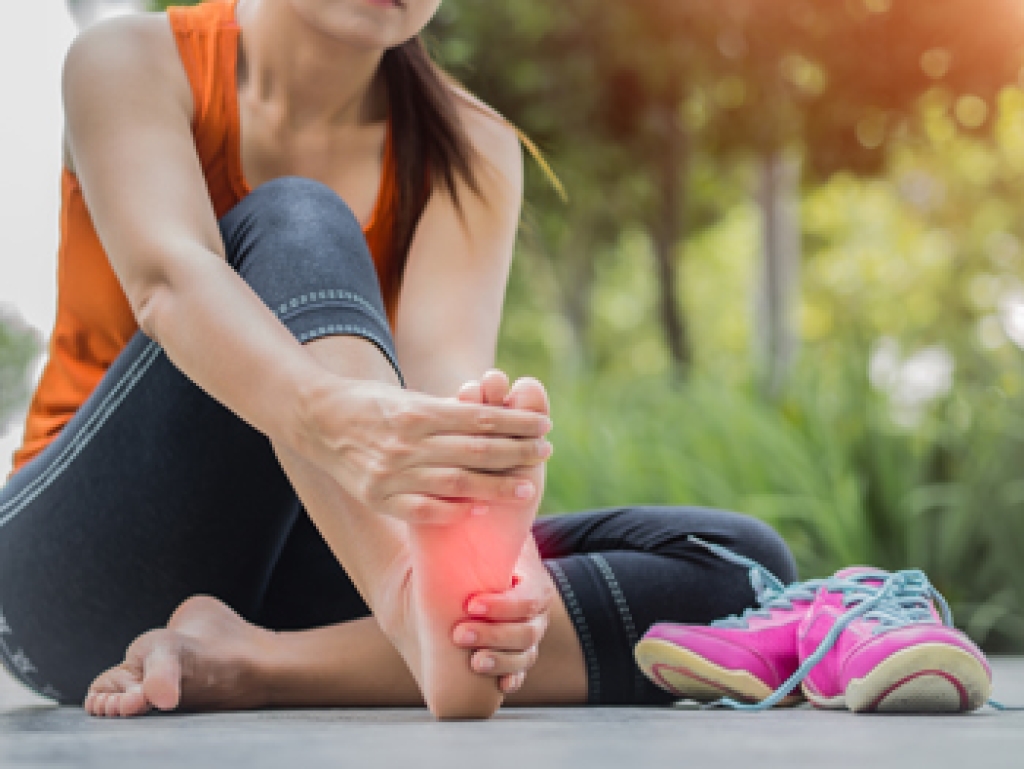
Running is a popular form of exercise that offers benefits for both physical fitness and mental well-being. Particularly in the aftermath of the pandemic, when loneliness and anxiety have taken a toll on many individuals, running can serve as a therapeutic outlet. However, experts have noticed an increase in running-related injuries from psychological reactions brought on by stress and isolation. These changes in running routines have amplified the risk of injuries. As dedicated runners are aware, an injury can significantly impact their training and enjoyment of the sport. Besides the potential strain from mileage and intensity, foot injuries are common among runners who traverse concrete paths, and uneven trails, or who wear inappropriate footwear. To ensure a safe and enjoyable running experience, it's crucial to balance training progression, be mindful of running surfaces, and choose proper athletic shoes. If you are a runner and want to learn more about preventing running injuries, it is suggested that you visit a chiropodist for more information.

Although running is a wonderful exercise to keep you in shape, it can wreak havoc on your feet and ankles if you don’t take preventive measures. If you have sustained a foot and ankle injury from running, please consult with one of the chiropodists from Complete Family Footcare & Therapy. Our clinicians can help you maintain the health of your lower limbs and your mobility. 

Some common running injuries include:

  • Achilles tendonitis
  • Shin splints
  • Ankle sprains
  • Stress fractures
  • Plantar fasciitis
  • Bursitis 

What causes injuries? 

These injuries are usually caused by overtraining, wearing the wrong shoes, running on hard surfaces, having tight and inflexible muscles, or having biomechanical issues in the feet or ankles. 

What can I do to prevent injuries? 

  • Train slowly and gradually
  • Give yourself plenty of time to recover following a run
  • Wear shoes that fit properly and support your foot
  • Avoid running on hard surfaces, like concrete
  • Stretch and strengthen the muscles of your lower legs
  • Warm-up prior to a run
  • Have your gait analyzed and your feet examined by a chiropodist to determine if there are any biomechanical problems that need to be treated 

If you have any questions please feel free to contact our offices located in North York and Mississauga, ON

Read more about Preventing Running Injuries

Foot Pain and Driving

Foot pain is never pleasant. Many Americans of all different ages and backgrounds suffer from foot pain for a range of different reasons. Foot pain can sometimes be the result of driving. Driving is an activity that millions of individuals engage in across the country, yet it can result in detrimental consequences to your feet. Individuals who drive trucks for a living are especially prone to foot pain from driving. The reason for this is that repeatedly using the foot to apply pressure to the gas and brake pedals causes stress and strain. When the feet perform this function for many hours every day, the feet can experience strain that might lead to pain. If you are a trucker or spend a lot of time every day driving, then please contact a chiropodist for more information. 

Foot pain can have many causes. To receive an accurate diagnosis and treatment for your foot pain, please consult with one of the chiropodists from Complete Family Footcare & Therapy. Our clinicians will assess your condition and provide you with quality foot and ankle treatment. 

Causes

There are a variety of different conditions that can cause foot pain, including: 

  • Plantar fasciitis
  • Deformities, such as bunions or hammertoes
  • Injuries to the muscles, bones, tendons, or ligaments in the feet
  • Arthritis
  • Flat feet
  • Ingrown toenails

Symptoms

The type and location of your foot pain can help determine what may be causing it and what type of treatment options are best for you. 

Common types of foot pain include: 

  • Heel pain
  • Arch pain
  • Toe pain
  • Ball of foot pain
  • Pain that has a stabbing, burning, or tingling quality
  • Pain that is constant, intermittent, or that gets better or worse depending on the situation 

Diagnosis

A thorough medical history and physical examination of your feet will be required to determine a diagnosis. Imaging studies, such as X-rays or MRIs may be performed to rule out or confirm certain diagnoses. 

Treatment

Treatment will depend on the cause of the pain. Common treatments for foot pain include resting, icing, compressing, and elevating the affected foot, wearing orthotics, or taking anti-inflammatory medications. 

If you have any questions please feel free to contact our offices located in North York and Mississauga, ON

Read more about Foot Pain

Common Causes of Heel Pain

Most heel pain is thought to be the result of overuse. Symptoms of heel pain include bruising, cramping, pins and needles, stiffness, and swelling. The two most common causes of heel pain are plantar fasciitis and Achilles tendonitis. Plantar fasciitis occurs when the thick band of tissue that runs along the sole of the foot, called the plantar fascia, becomes inflamed. This can be caused by overstretching, flat feet, wearing shoes without proper cushioning, or being overweight. Achilles tendonitis occurs when the strong tendon that runs from the heel to the calf becomes inflamed. This can be caused by tight calf muscles and overstretching of the tendon during exercise or sports. Heel pain also may be caused by arthritis, bursitis, a bruise, or a stress fracture. If you are experiencing pain in the heel that persists, or if you have sustained an injury, it is suggested that you visit a chiropodist for an exam and a diagnosis, followed by treatment options.

Heel pain is a common problem that can be caused by a variety of injuries, medical conditions, and other factors. If you suffer from heel pain, please consult with one of the chiropodists from Complete Family Footcare & Therapy. Our clinicians can help you maintain the health of your lower limbs and your mobility. 

When it comes to heel pain, the exact location and type of pain are important to note. Some of the conditions that may cause heel pain include: 

  • Plantar fasciitis - An inflammation of the ligament that runs along the bottom of the foot; it causes a stabbing pain under the heel that is at its worst when taking your first few steps after a long rest and while standing on your tiptoes or climbing stairs
  • Achilles tendonitis - An inflammation of the tendon in the back of the calf; it causes pain in the back of the heel that is at its worst after resting, as well as ankle and calf stiffness, swelling, and tenderness
  • Bone spurs - Bony lumps on the back of the heel bones that cause sharp pain upon first standing up; the pain becomes dull and achy over time
  • Heel fractures - A break or crack in the heel bone that causes pain, swelling, and difficulty walking
  • Retrocalcaneal bursitis - Swelling of the small, fluid-filled sac at the back of the heel bone; it causes pain, swelling, redness, and warmth in the back of the heel
  • Tarsal tunnel syndrome - Compression of the posterior tibial nerve which causes a pins and needles sensation in the heel, foot, and calf 

Your chiropodist will be able to diagnose the underlying cause of your pain and prescribe the right treatments for you. If you have any questions please feel free to contact our offices located in North York and Mississauga, ON

Read more about Heel Pain

What Is Blue Toe Syndrome?

Blue toe syndrome results from an insufficient blood supply to the lower extremities, causing the toes to turn a blue or purplish color. Common causes of blue toe include a decreased level of blood flow to the arteries, a blocked outflow of blood from the veins, or a general abnormality in circulation. The latter may be the result of a blood clot or hardening of the arteries. In some cases, a blue toe may be caused by an injury that results in bruising, but this is not usually related to blue toe syndrome. Risk factors for blue toe syndrome are smoking, high cholesterol, and hypertension. Symptoms of blue toe, besides the bluish discoloration, may include intense pain or diminished foot pulse. Symptoms usually become apparent quickly and may affect one or two toes, but typically only affect one foot. If you have noticed your toes turning blue or purplish, it is suggested that you make an appointment with a chiropodist for a thorough examination. 

Toe pain is common and can have a variety of causes. Causes can range from a broken toe to an ingrown toenail. Many types of toe pain can be corrected, but any toe pain that inhibits your activities for an extended period should be discussed with a chiropodist. If you suffer from toe pain, please consult with one of the chiropodists from Complete Family Footcare & Therapy. Our clinicians can help you maintain the health of your feet.

Common Causes of Toe Pain 

  • Trauma or fracture
  • Cuts, sores, or bruises
  • Rheumatoid arthritis
  • Gout
  • Turf Toe
  • Morton’s neuroma
  • Blisters
  • Corns
  • Bunions
  • Hammertoes
  • Ingrown toenails
  • Plantar warts
  • Athlete’s Foot

Symptoms of Toe Pain

  • Toe deformity
  • Burning
  • Numbness
  • Toenail deformity
  • Wart or ulcer
  • Swelling
  • Redness

When to See a Chiropodist

  • Bleeding or severe swelling
  • Trauma, such as a broken bone
  • Discoloration or extreme swelling
  • Inability to bear weight
  • Persistent pain
  • Wounds that won’t heal

Diagnosis of Toe Pain

A chiropodist can conduct a thorough examination of the painful toe or toes in order to determine the best course of treatment. The exam may include assessing the tenderness of the area, taking an X-ray or other diagnostic test, or assessing your gait and range of motion. A discussion of what led to the advanced pain issue may follow. Included will likely be a health history, as well as a list of medications you are taking and other previous injuries you may have sustained.

Treatment for Toe Pain

With such a wide range of possible causes for toe pain, treatment can be varied in scope and length. Sometimes, the chiropodist will recommend lifestyle and activity changes. In cases of trauma or other injuries, X-rays or imaging tests will likely be used to determine the severity of the problem, particularly if any bones have been broken. Treatment may also include injections of pain-relief medication or anti-inflammatory drugs. Certain injuries will require the splinting, bracing, or wrapping of injured toes. Orthotics or special shoes may be prescribed in cases of bone deformities and gait issues. Removal of warts, calluses, and corns may be needed. In other cases, such as with patients who have diabetes or rheumatoid arthritis, ongoing treatment may be required to avoid more serious problems. 

If you have any questions please feel free to contact our offices located in North York and Mississauga, ON

Read more about Toe Pain

Tips for Preventing Falls

If you are a senior citizen, you ought to be mindful of the dangers of suffering from a nasty fall. Trips and tumbles of all kinds can be potentially damaging both to the health of your feet and your overall body. There are many steps that you can take to make falls less likely. First, you can be sure to remove obstacles in your home that would make balancing on your feet more difficult. You can, for instance, make surfaces less slippery and remove clutter or electrical chords that might get tangled up at your feet, causing you to trip. Additionally, you might consider wearing a pair of shoes that fit properly instead of walking around the house in socks. Although just wearing socks on the feet can be comfortable, it can increase your risk of losing stability on your feet. Another option might be purchasing non-slip socks. Lastly, you might even want to join an appropriate exercise program to strengthen muscles in your feet and lower legs. Doing this can improve one’s balance and mobility, making falls less likely. Talk to a chiropodist for more information about preventing falls.

Falls are a major cause of injury among the elderly. To learn more about preventing falls or to get treatment following a foot or ankle injury caused by a fall, please consult with one of the chiropodists from Complete Family Footcare & Therapy. Our clinicians will assess your condition and provide you with quality foot and ankle treatment. 

Falling is one of the leading causes of injury among the elderly. It is said that about 50% of falls that result in hospitalization occur in the home. Fortunately, there are steps that you can implement to reduce your risk of falling in the home. 

Tips to Prevent Falls at Home:

  • In the bathroom - Place non-slip mats in the shower or tub, install grab bars near the toilet and bath, and wipe up any moisture or spills as soon as possible.
  • In the living rooms and bedroom - Remove loose wires, cords, or other objects that may be an obstacle to moving around safely. Make sure that you have good lighting throughout the home so that you can always see where you are going. Get rid of any rugs or mats that are not firmly anchored or that may cause you to trip. When walking around the home, move slowly.
  • In the kitchen - Store food and supplies in easily accessible areas, store heavy items in lower cupboards, and wipe up any spills immediately to prevent slipping.
  • On the stairs - Make sure that the stairs are well-lit and have secure handrails. Walk slowly when ascending or descending the stairs.
  • Outside - Keep walkways well-lit and clear of snow, ice, leaves, and man-made tripping hazards.

Maintaining your overall health, including the health of your feet, can also help to prevent falls. Eat a healthy diet, exercise regularly, and wear well-fitted, comfortable, and supportive shoes. If you have a mobility device, such as a cane, use it while walking.  

If you have any questions please feel free to contact our offices located in North York and Mississauga, ON

Read more about Falls Prevention

Connect With Us