Constant care and regular evaluation are important for a foot or ankle fracture. If left untreated, foot or ankle fractures can worsen over time and create more serious problems.
Don't wait to be examined if you believe you've experienced a foot or ankle fracture.
Athlete’s foot is a fungal infection that usually affects the skin between the toes or along the sides of the feet. It develops in warm, damp environments and often spreads in shared spaces such as public showers and pool areas. People who wear tight, non-breathable footwear, sweat heavily, or have minor injuries to the skin or nails are more at risk. Symptoms of athlete's foot include peeling or cracked skin, redness, itching, burning, or blisters that can leak fluid and become crusty. Athlete’s foot is highly contagious and can be passed through direct contact or by touching contaminated items like socks or surfaces. A chiropodist can identify the infection during an exam and may suggest a plan that includes medicated creams or oral antifungal medicine. If the infection does not go away, returns often, or causes severe discomfort, professional care is important. If you believe you have an athlete’s foot infection, it is suggested that you schedule an appointment with a chiropodist for expert advice.
Athlete’s foot can be uncomfortable and unsightly. To learn more about preventing and treating this condition, please consult with one of the chiropodists from Complete Family Footcare & Therapy. Our clinicians will assess your condition and provide you with quality foot and ankle treatment.
What Is Athlete’s Foot?
Athlete’s foot refers to an infection of the skin on the feet that is caused by a fungus. This fungus is contagious and thrives in warm and moist environments. It is often spread in common areas such as public pools, locker rooms, and showers. It can also spread when sharing personal items, like shoes or towels, with an infected person.
Symptoms
The symptoms of athlete’s foot may include:
Itching, stinging, or burning of the skin on the feet
Cracking or peeling skin, especially between the toes and on the soles of the feet
Scaly, red rash on the foot
Blisters
Foul odor
Treatment
Treatment for athlete’s foot typically involves using over-the-counter topical antifungal medications on the feet. When over-the-counter options are ineffective, you may need to take prescription oral medications or topical antifungal drugs, or a combination of both.
Prevention
Preventing athlete’s foot places an emphasis on good foot hygiene practices.
You can prevent athlete’s foot by:
Washing and drying your feet thoroughly every day
Wearing shoes when walking in public areas
Not sharing personal items, like shoes or socks, with others
Wearing shoes and socks made out of breathable materials
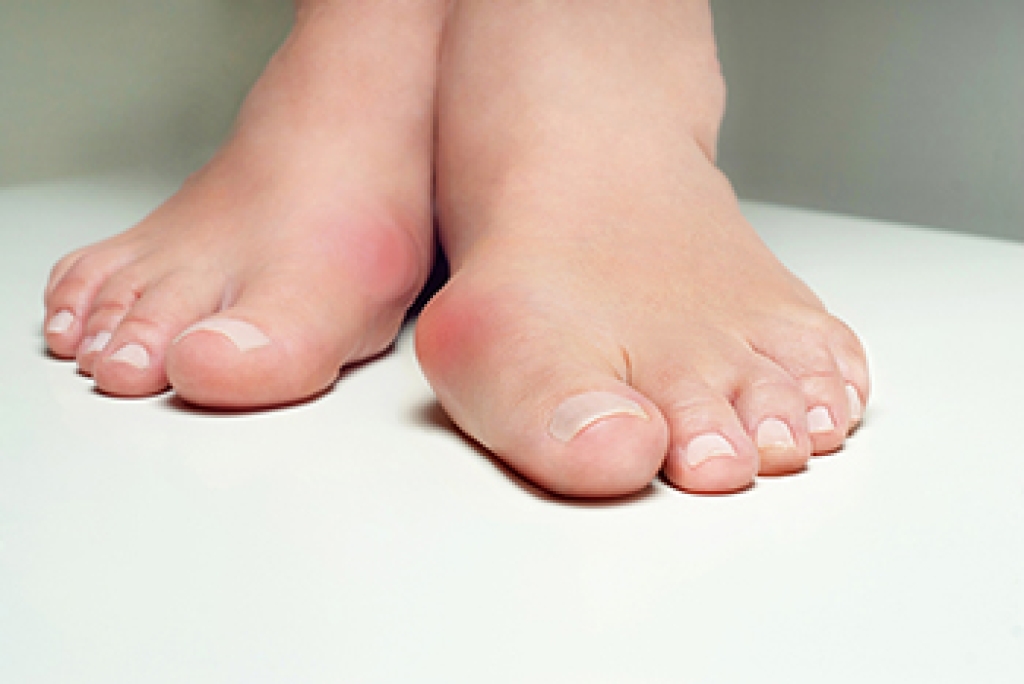
A bony bump forming near the base of the big toe is more than just a visual concern, it often signals the early stages of a bunion. This structural shift occurs when the big toe angles inward, crowding neighboring toes and putting stress on the joint. Over time, this misalignment may lead to discomfort, swelling, or difficulty finding shoes that fit properly. Bunions can be influenced by inherited foot shape, poor footwear choices, or conditions like arthritis. Some people live with mild symptoms, while others experience increasing pain that interferes with walking or daily activity. Padding, shoe modifications, and targeted support can help manage discomfort, but progression may require more involved care. If you have noticed a growing bump near your big toe or changes in your foot shape, it is suggested that you schedule an appointment with a chiropodist for a diagnosis and appropriate treatment.
Bunions progressively worsen over time and may cause walking in your shoes to become difficult. To learn more about bunions, please consult with one of the chiropodists from Complete Family Footcare & Therapy. Our clinicians will assess your condition and provide you with quality foot and ankle treatment.
What Are Bunions?
A bunion is a bony bump that protrudes from the base of the big toe. Bunions are caused due to a misalignment of the first metatarsal. The characteristic bump of a bunion forms when the metatarsal shifts outwards from its proper position. Bunions develop slowly over time and progressively worsen without treatment. The skin over the bunion may develop calluses due to the friction from shoes. Eventually, a bunion can make walking uncomfortable or even painful. Bunions are one of the most common foot deformities and are especially common in women and older adults.
Symptoms
A bunion appears as a bulging bump on the outside of the base of the big toe.
The bunion may also:
Be swollen, red, or sore
Develop corns or calluses over it
Cause pain
Limit the big toe’s range of motion
Treatment
There are several different treatments available for bunions. Conservative treatment options include wearing shoes with a wider toe box, cushioning the bunion with a specialized pad, wearing shoe inserts, icing the bunion if it becomes inflamed, and taking medications to relieve pain. In more severe cases, more invasive procedures may be done. This may involve removing the swollen tissue around the bunion, straightening the big toe, realigning the bones at the front of the foot, or a combination of these procedures.
Early stage rheumatoid arthritis in the feet can appear with subtle but persistent symptoms that may gradually worsen over time. One of the most common early signs is stiffness in the joints of the toes or midfoot, often felt in the morning or after periods of rest. Swelling surrounding the joints may develop, causing a puffy or warm feeling in the foot. Pain is typically felt during movement or while bearing weight, making walking or standing uncomfortable. Tenderness in the balls of the feet or under the toes may also occur. These symptoms can affect both feet and are often symmetrical. If you have any of the above symptoms, it is suggested that you confer with a chiropodist who can help you to manage your discomfort and offer effective treatment solutions.
Osteoarthritis in the feet or ankles can be a painful and disabling condition that may interfere with your daily activities. If you have arthritis, please consult with one of the chiropodists from Complete Family Footcare & Therapy. Our clinicians will assess your condition and provide you with quality foot and ankle treatment.
What Is Osteoarthritis?
Osteoarthritis is a condition in which the protective layer of cartilage in the joints breaks down over time. This loss of cartilage causes the bones to rub together during movement, leading to pain and inflammation. Osteoarthritis is associated with aging, and often affects the small joints of the feet and ankles.
Symptoms
Symptoms of osteoarthritis include:
Joint pain
Joint stiffness
Swelling in or around the joint
Restricted range of motion
Difficulty walking
Diagnosis
Osteoarthritis can be diagnosed through physical examination. You may also need to have an X-ray taken to assess the extent of the damage caused by arthritis.
Treatment
Treatment for osteoarthritis focuses on reducing symptoms and improving the function of the affected joints. Conservative treatments include oral pain medications, orthotic devices, bracing or immobilizing the affected foot or ankle, steroid injections into the affected joint to reduce inflammation, and physical therapy. In more severe cases, surgery may be necessary.
Foot pain can develop from daily habits to underlying medical conditions. Poorly fitting shoes, high-impact activities, and prolonged standing often lead to discomfort. Common causes include plantar fasciitis, arthritis, bunions, nerve compression, and tendonitis. Structural issues like flat feet or high arches can also contribute, placing uneven pressure on different areas of the foot. Injuries such as sprains, fractures, or overuse stress can worsen pain over time. Addressing foot pain starts with wearing proper footwear, stretching, and rest. Orthotics can help support foot alignment, while anti-inflammatory medication and targeted stretching may reduce discomfort. Strengthening exercises and weight management can also alleviate strain on the feet. Ignoring persistent pain can lead to more severe complications, affecting mobility and quality of life. If you have persistent or worsening foot pain, it is suggested that you consult a chiropodist for a proper diagnosis and treatment plan.
Foot pain is a common problem treated by chiropodists. If you have foot pain, please consult with one of the chiropodists from Complete Family Footcare & Therapy. Our clinicians can help you maintain the health of your lower limbs and your mobility.
When you are experiencing foot pain, it’s important to note the type of pain and its location, as this can help determine a diagnosis.
Pain in the top of the foot may be caused by:
Stress fractures
Sinus tarsi syndrome
Extensor tendonitis
Tibialis anterior tendonitis
Gout
Athlete’s foot
Ganglion cysts
Pain in the bottom of the foot may be caused by:
Plantar fasciitis
Foot cramps
Tarsal tunnel syndrome
Plantar fibromatosis
Posterior tibial tendonitis
Stress fractures
Flat feet
Pain on the side of the foot may be caused by:
Ankle sprain
Cuboid syndrome
Peroneal tendonitis
Stress fractures
Bunions
Corns or calluses
Posterior tibial tendonitis
Heel pain may be caused by:
Plantar fasciitis
Achilles tendonitis
Bone spurs
Heel fractures
Retrocalcaneal bursitis
Sever’s disease
Pain in the toes may be caused by:
Gout
Hammertoe
Turf toe
Bunions
Ingrown toenails
Blisters
Arthritis
These and many more conditions can be treated by a chiropodist. If you have any questions please feel free to contact our offices located in North York and Mississauga, ON.