Foot or ankle pain can negatively affect your day-to-day life and can occur due to several different conditions. Pain can also be an indicator of a more serious underlying condition, which is why you should seek professional help as soon as you notice any abnormalities in your feet.
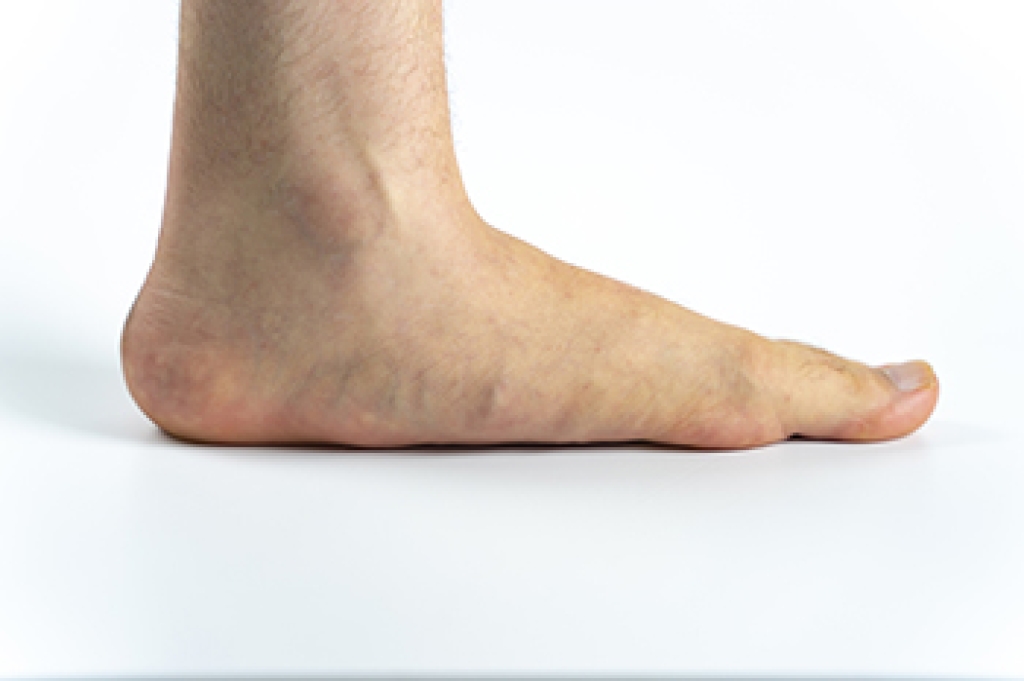
Flat feet occur when the arches of the feet collapse, leading to discomfort and imbalance. There are two main types. Flexible flat feet are present when the arch appears while sitting or standing on tiptoes but disappears when standing normally. Rigid flat feet show no arch at all regardless of position, often causing more stiffness and pain. Both conditions can affect mobility and lead to foot, ankle, or even knee problems, if untreated. A chiropodist can evaluate your foot structure, recommend supportive footwear or custom orthotics, and provide exercises or treatments to improve function and reduce pain. If flat feet are causing you pain, it is suggested that you consult a chiropodist who can offer effective treatment solutions.
Flat feet are a common foot condition. If you are experiencing pain or discomfort due to flat feet, please consult with one of the chiropodists from Complete Family Footcare & Therapy. Our clinicians will assess your condition and provide you with quality foot and ankle treatment.
What Are Flat Feet?
Flat feet are feet that do not have a well-defined arch in the middle of the sole of the foot. Flat feet may be flexible or rigid. Flexible flat feet have an arch when there is no pressure put on the foot, such as when one is sitting, but the arch disappears upon standing. Rigid flat feet lack an arch regardless of whether one is standing or not.
Causes
Flat feet can be present from birth or acquired over time due to a weakening of the ligaments in the arch. Sometimes flat feet are caused by illnesses, injuries, or pregnancy.
Symptoms
Flat feet often cause no noticeable symptoms. However, some people may experience pain and discomfort due to their flat feet.
Symptoms associated with flat feet include:
Pain in the arch, heel, ankle, or along the outside of the foot
Overpronation of the foot
Shin splints
Aching or fatigue in the feet or legs
Pain in the knees, hips, or lower back
Treatment
In cases where flat feet cause symptoms, there are various treatments available. Wearing orthotic inserts in your shoes to provide more arch support, performing stretches, and taking medications may improve your symptoms. If you are overweight, losing weight can help relieve pressure on the feet. In severe cases, surgery may be considered.
When heading to the pool or beach, many people slip wearing flip flops, but water shoes provide far better protection. Flip flops leave your feet exposed to hot sand, rough surfaces, and sharp objects, while water shoes surround the foot with a protective, flexible covering. Their slip-resistant soles reduce the chance of falls on wet pool decks, something flip flops often fail to prevent. At the beach, water shoes guard against cuts from shells, rocks, or broken glass, as well as stings from hidden sea creatures. They also reduce the risk of fungal infections that thrive in damp areas like locker rooms and public showers. Unlike flip flops, which can cause blisters or strain from lack of support, water shoes offer comfort, stability, and safety. For foot or ankle injuries resulting from falls or ongoing foot concerns, it is suggested that you see a chiropodist for a proper evaluation and appropriate treatment.
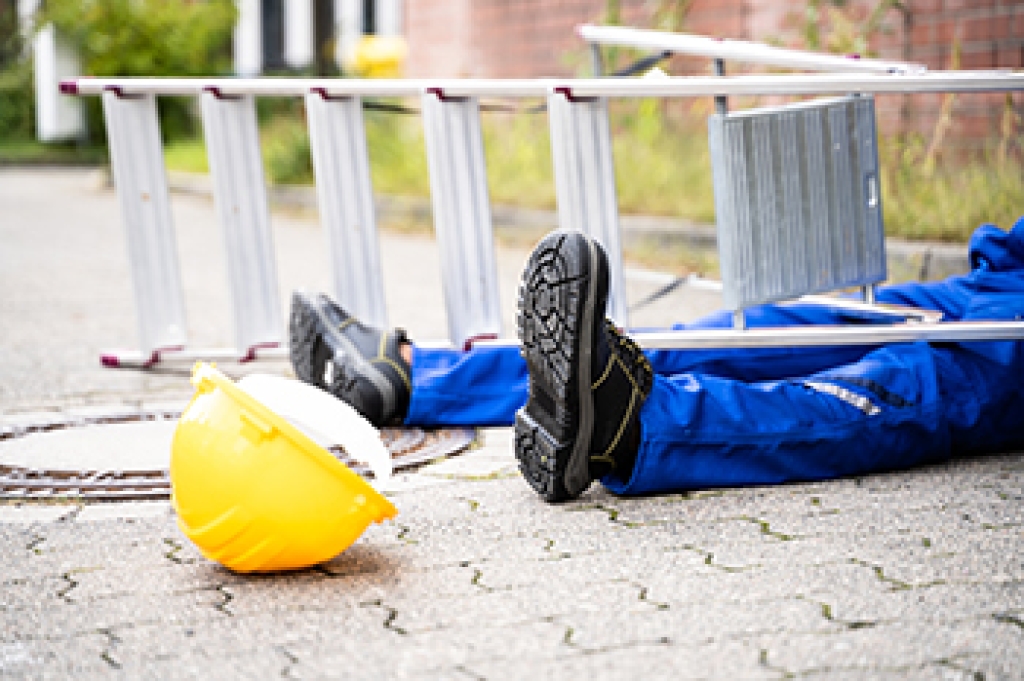
Falls are a major cause of injury among the elderly. To learn more about preventing falls or to get treatment following a foot or ankle injury caused by a fall, please consult with one of the chiropodists from Complete Family Footcare & Therapy. Our clinicians will assess your condition and provide you with quality foot and ankle treatment.
Falling is one of the leading causes of injury among the elderly. It is said that about 50% of falls that result in hospitalization occur in the home. Fortunately, there are steps that you can implement to reduce your risk of falling in the home.
Tips to Prevent Falls at Home:
In the bathroom - Place non-slip mats in the shower or tub, install grab bars near the toilet and bath, and wipe up any moisture or spills as soon as possible.
In the living rooms and bedroom - Remove loose wires, cords, or other objects that may be an obstacle to moving around safely. Make sure that you have good lighting throughout the home so that you can always see where you are going. Get rid of any rugs or mats that are not firmly anchored or that may cause you to trip. When walking around the home, move slowly.
In the kitchen - Store food and supplies in easily accessible areas, store heavy items in lower cupboards, and wipe up any spills immediately to prevent slipping.
On the stairs - Make sure that the stairs are well-lit and have secure handrails. Walk slowly when ascending or descending the stairs.
Outside - Keep walkways well-lit and clear of snow, ice, leaves, and man-made tripping hazards.
Maintaining your overall health, including the health of your feet, can also help to prevent falls. Eat a healthy diet, exercise regularly, and wear well-fitted, comfortable, and supportive shoes. If you have a mobility device, such as a cane, use it while walking.