
Custom orthotics, or shoe inserts, should be periodically replaced. Orthotics must fit properly to give you the best results. Protect your feet and ankles!
Custom orthotics, or shoe inserts, should be periodically replaced. Orthotics must fit properly to give you the best results. Protect your feet and ankles!
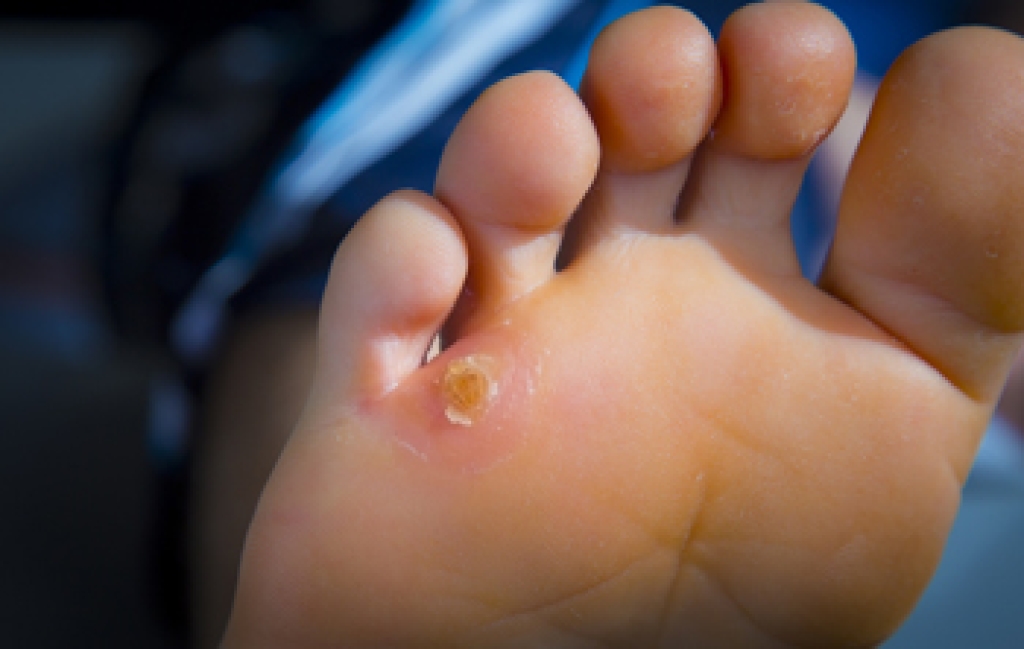
Foot corns are easy to identify once understood. They appear as raised, thickened skin with a central core that presses into deeper layers, causing pain during walking or standing. These areas may look yellowish or gray. They are commonly found on pressure points, such as the tops of toes or between them. Hard corns are the most common and feel firm, while soft corns appear between toes due to moisture and tend to be more tender. Symptoms include sharp pain when pressure is applied, surrounding redness, and skin irritation. The primary causes include friction from wearing tight shoes, repeated stress on specific foot areas, and structural imbalances. Risk factors such as aging, improper gait, and prolonged standing increase susceptibility. Understanding their appearance and causes can support early intervention and reduce discomfort. If you notice persistent or painful corns, it is strongly suggested you consult a chiropodist for effective relief and prevention tips.
Corns are small bumps or dry, hardened skin that can arise on the feet, usually in response to friction. Corns can be asymptomatic, or they can be uncomfortable or painful. If you have corns that are bothering you, please consult with one of the chiropodists from Complete Family Footcare & Therapy. Our clinicians can help you maintain the health of your lower limbs and your mobility.
There are three types of corns:
Corns can be prevented by wearing shoes that fit properly. They are typically benign and don’t require medical treatment. However, if your corns are causing you pain or discomfort, don’t hesitate to reach out to a chiropodist near you for treatment options. If you have any questions please feel free to contact our offices located in North York and Mississauga, ON .
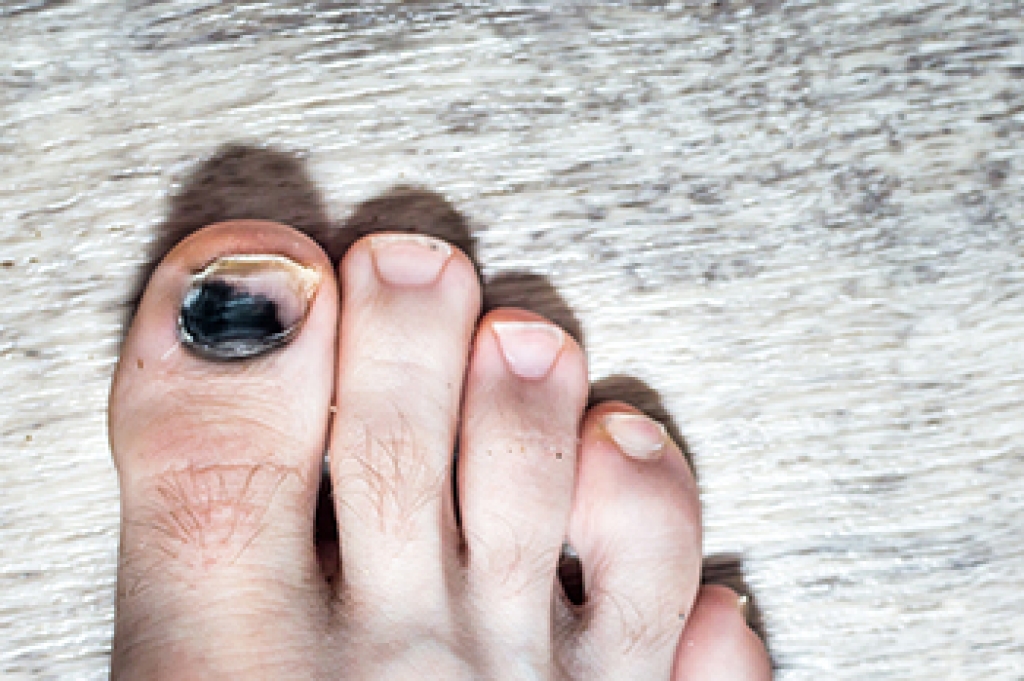
Toe pain is a common condition that affects the small joints, soft tissue, and nails of the toes, often interfering with walking and physical activity. In runners, one frequent cause of toe pain is the development of black toenails. Medically known as a subungual hematoma, this occurs when blood collects under the nail due to repeated impact. This condition is often caused by running extensive miles, repetitive trauma, and the toe repeatedly hitting the front of shoes during movement. Symptoms include discoloration of the nail, tenderness, throbbing pain, and pressure beneath the nail surface. Risk factors include wearing tight or poorly fitted running shoes, long-distance training, downhill running, and improper nail trimming. Continued friction and pressure can worsen discomfort and lead to nail loss if untreated. Preventive steps include selecting well-fitted footwear, maintaining proper nail care, and reducing repetitive stress. If you have toe pain or black toenails from running, it is suggested that you consult a chiropodist to explore effective relief and management solutions.
Toe pain is common and can have a variety of causes. Causes can range from a broken toe to an ingrown toenail. Many types of toe pain can be corrected, but any toe pain that inhibits your activities for an extended period should be discussed with a chiropodist. If you suffer from toe pain, please consult with one of the chiropodists from Complete Family Footcare & Therapy. Our clinicians can help you maintain the health of your feet.
Common Causes of Toe Pain
Symptoms of Toe Pain
When to See a Chiropodist
Diagnosis of Toe Pain
A chiropodist can conduct a thorough examination of the painful toe or toes in order to determine the best course of treatment. The exam may include assessing the tenderness of the area, taking an X-ray or other diagnostic test, or assessing your gait and range of motion. A discussion of what led to the advanced pain issue may follow. Included will likely be a health history, as well as a list of medications you are taking and other previous injuries you may have sustained.
Treatment for Toe Pain
With such a wide range of possible causes for toe pain, treatment can be varied in scope and length. Sometimes, the chiropodist will recommend lifestyle and activity changes. In cases of trauma or other injuries, X-rays or imaging tests will likely be used to determine the severity of the problem, particularly if any bones have been broken. Treatment may also include injections of pain-relief medication or anti-inflammatory drugs. Certain injuries will require the splinting, bracing, or wrapping of injured toes. Orthotics or special shoes may be prescribed in cases of bone deformities and gait issues. Removal of warts, calluses, and corns may be needed. In other cases, such as with patients who have diabetes or rheumatoid arthritis, ongoing treatment may be required to avoid more serious problems.
If you have any questions please feel free to contact our offices located in North York and Mississauga, ON .
Connect With Us
