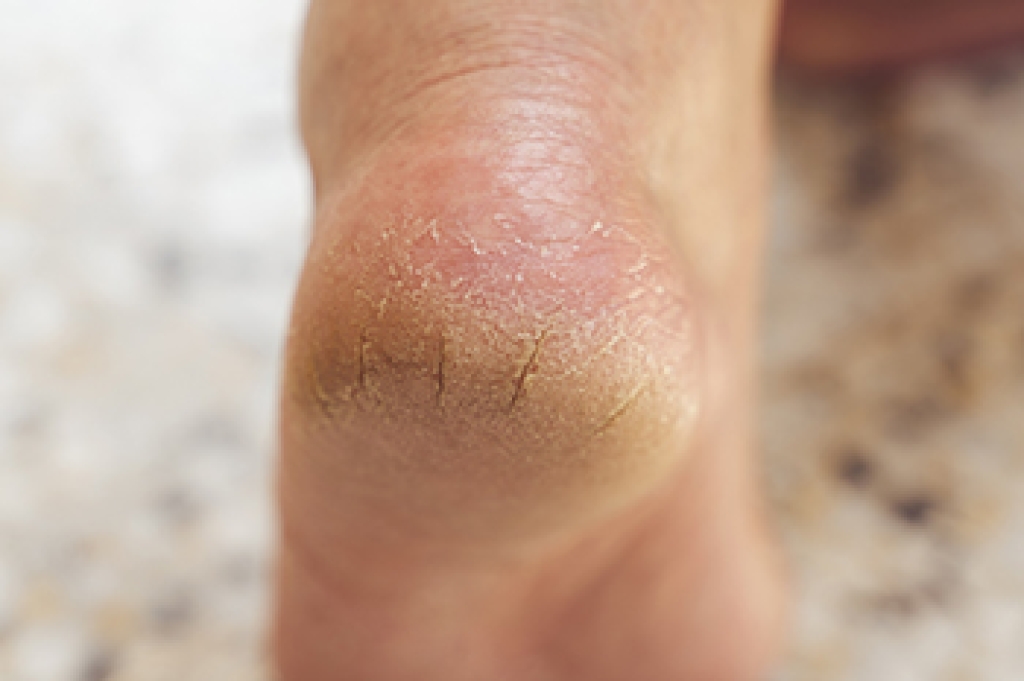
Cracked heels occur when the skin surrounding the heels becomes excessively dry, thick, and less flexible. As the skin loses moisture and elasticity, it may struggle to handle the pressure placed on the feet during standing and walking. Small splits can develop and gradually become deeper, creating what are known as heel fissures. Although cracked heels are often mild at first, untreated fissures can become painful and interfere with normal daily activities. Aging is a common contributing factor because skin naturally becomes thinner and less capable of retaining moisture over time. Other causes include frequent hot showers or baths, which can remove natural protective oils from the skin, as well as walking barefoot on hard surfaces.
Footwear and lifestyle habits can also contribute to cracked heels. Wearing open-back shoes and sandals allows the heel to spread outward with each step. This increases pressure on the surrounding skin and makes moisture loss more likely. Prolonged standing, excess body weight, and occupations that require extended periods on the feet may increase pressure on the heels. Certain skin conditions can also cause significant dryness and make heel fissures more likely to develop.
Common symptoms of cracked heels include rough or hardened skin, peeling, and visible cracks around the edges of the heel. Mild fissures may cause tightness or discomfort, while deeper cracks can become painful when standing or walking. Severe heel fissures may bleed and create an opening through which bacteria can enter, increasing the risk of infection.
Early treatment can help prevent cracked heels from becoming more severe. Applying a moisturizer regularly can help restore hydration and improve skin flexibility. Wearing supportive, properly-fitting footwear can reduce pressure on the heels, while avoiding prolonged exposure to hot water and dry conditions may help protect the skin. If cracked heels are painful, deep, bleeding, or persistent, it is suggested that you consult a chiropodist for an evaluation and personalized treatment recommendations.
Dry, cracked heels are more than a cosmetic inconvenience. For many people, they are uncomfortable, deep, painful, and may even bleed. If you suffer from cracked heels, please consult with one of the chiropodists from Complete Family Footcare & Therapy. Our clinicians can help you maintain the health of your lower limbs and your mobility.
Causes
- Prolonged standing
- Wearing open-back shoes
- Wearing shoes that don’t cushion the heels
- Living in a cold or dry climate
- Taking long, hot showers
- Not moisturizing the heels
- Eczema
- Psoriasis
- Palmoplantar keratoderma
- Juvenile plantar dermatosis
Treatments
- Soaking the feet
- Exfoliating with a pumice stone
- Moisturizing the heels
- Wearing closed-back shoes that cushion heels
- Avoiding prolonged standing
- Taking warm, rather than hot, showers
- Treating underlying skin conditions
While milder cases of cracked heels can be treated at home, some patients present with deep, painful, bleeding heel fissures that are at risk of becoming infected and may require medical care. Additionally, patients with diabetes or any other conditions that affect the immune system should be monitored by a chiropodist.
If you have any questions please feel free to contact our offices located in North York and Mississauga, ON .
