
Neuropathy is a condition that can lead to numbness or loss of sensation in the feet, but it can also cause pain. This condition is more likely to develop for those who are diabetic, obese, or with high blood pressure.
Neuropathy is a condition that can lead to numbness or loss of sensation in the feet, but it can also cause pain. This condition is more likely to develop for those who are diabetic, obese, or with high blood pressure.

Toenail fungus, or onychomycosis, is a common infection that affects the nail, causing it to thicken, discolor, and sometimes crumble. The infection often starts as a small white or yellow spot under the nail and gradually spreads, making the nail brittle and difficult to trim. Warm, damp environments like locker rooms and showers promote the growth of fungi, which thrive on keratin, the protein in nails. People who frequently wear closed-toe shoes, have sweaty feet, or are older are more susceptible to developing toenail fungus, as are those with weakened immune systems. Treatment options include topical antifungal creams, medicated nail lacquers, and in more persistent cases, oral antifungal medications. Laser treatments may also be effective. If you have developed toenail fungus, it is suggested that you schedule an appointment with a chiropodist who can determine what the best treatment is for you.
Toenail fungus can be uncomfortable and unsightly. If you have diabetes or a compromised immune system, it may also be dangerous. To learn more about treatment options, please consult with one of the chiropodists from Complete Family Footcare & Therapy. Our clinicians will assess your condition and provide you with quality foot and ankle treatment.
What Does Toenail Fungus Look Like?
A fungal infection of the toenail may cause the affected nail to become thickened, brittle, crumbly, and yellowish or brown in color. Sometimes the toenail may separate from the nail bed, become deformed, emit a foul odor, or cause pain or discomfort.
What Causes Toenail Fungus?
Toenail fungus is caused by a fungus that infects the nail bed. The fungus lives and thrives in warm and moist environments and is also contagious. Athlete’s foot, which is a fungal infection of the skin, may spread to the nails and cause toenail fungus.
What Treatments Are Available?
Potential treatments for toenail fungus may include oral antifungal medications, topical antifungal medications, such as medicated nail polishes that are applied directly to the affected nail, and laser therapy. Sometimes, a combination of treatments is prescribed.
If you have any questions please feel free to contact our offices located in North York and Mississauga, ON .
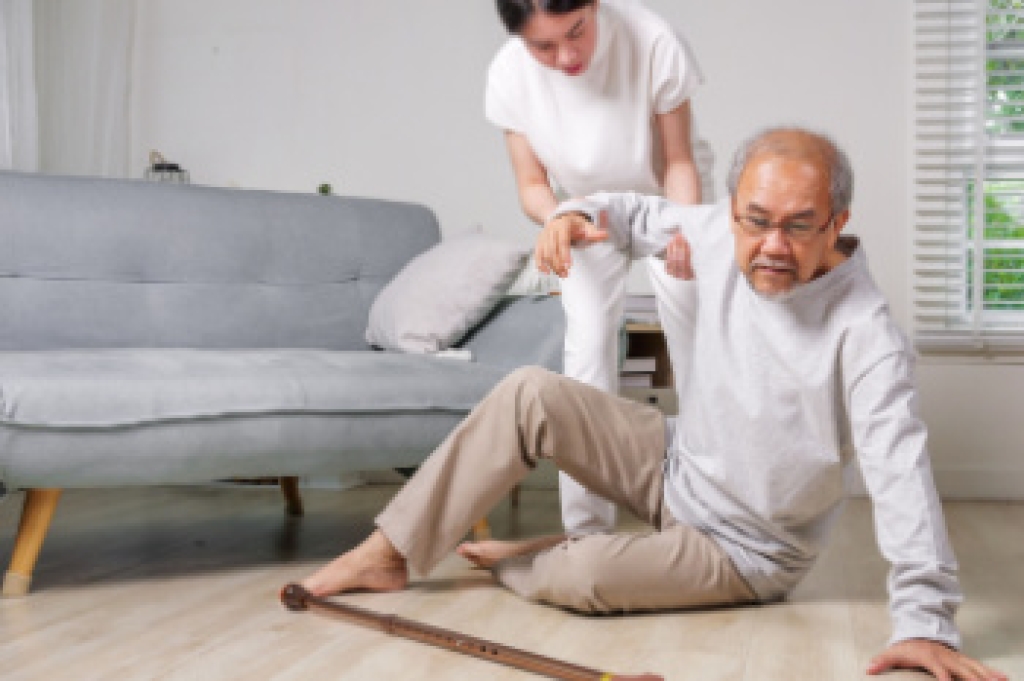
Falls are a significant health concern for older adults, with one in four seniors over 65 experiencing a fall each year. These incidents can lead to serious injuries, including fractures. But even when injuries do not occur, the psychological impact of falling can be profound, often resulting in a loss of confidence and increased fear of future falls. This fear can cause reduced physical activity, which in turn weakens muscles and balance, further increasing fall risk. Factors contributing to falls include age-related changes such as diminished balance, weaker muscles, and vision problems, as well as hazards within the home like poor lighting or slippery surfaces. Certain medical conditions, including low blood pressure, diabetes, and postural hypotension, can also elevate fall risk. A chiropodist can play a vital role in preventing falls by addressing your foot health, recommending appropriate footwear, and advising on strategies to enhance stability and mobility. If you have fallen recently or are at risk of falling, it is suggested that you schedule an appointment with a chiropodist.
Falls are a common but preventable problem for older adults. If you would like to learn more about preventing falls, please consult with one of the chiropodists from Complete Family Footcare & Therapy. Our clinicians can help you maintain the health of your lower limbs and your mobility.
Did you know that most falls occur in the home? Fortunately, there are many simple changes that you can make to the living environment to reduce the risk of falling.
In the Bathroom:
In the Bedroom:
In the Kitchen:
In the Hallways:
In Other Living Areas:
If you have any questions please feel free to contact our offices located in North York and Mississauga, ON .
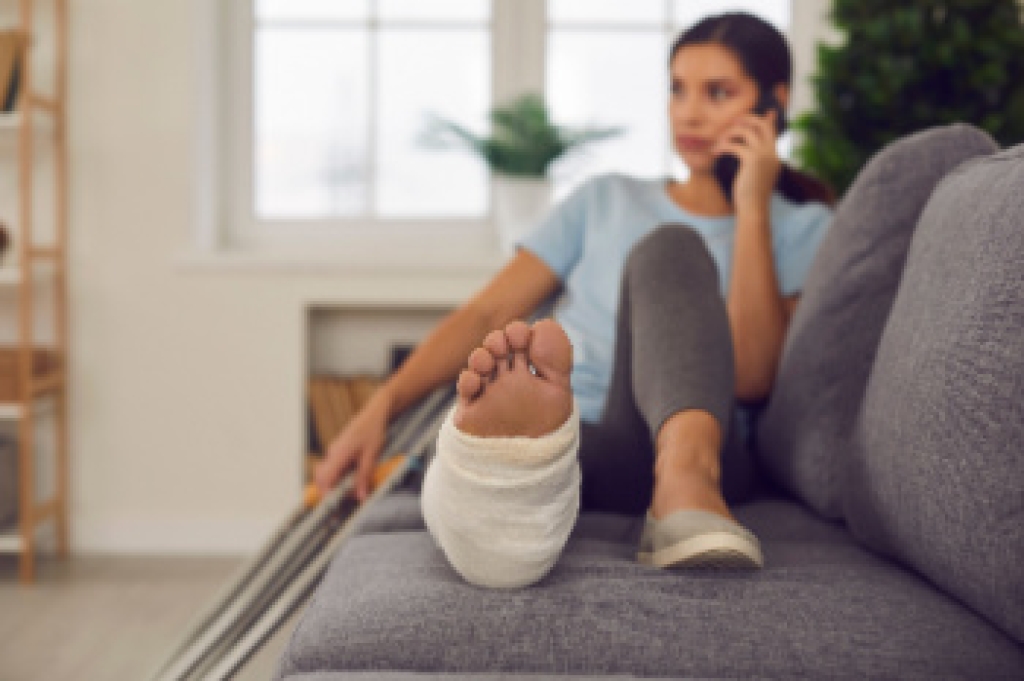
A broken ankle, also known as an ankle fracture, occurs when one or more bones in the ankle joint are cracked or broken. The ankle joint comprises three main bones, which are the tibia, fibula, and talus, and they work together to support the body's weight and facilitate movement. Ankle fractures commonly result from sudden trauma or forceful impact, such as falls, sports injuries, or automobile accidents. Twisting or rolling the ankle beyond its normal range of motion can also cause fractures. High-energy injuries, such as those sustained during athletic activities or severe accidents, may lead to more complex fractures involving multiple bones or displacement of bone fragments. Additionally, individuals with weakened bones due to osteoporosis or underlying medical conditions may be more susceptible to ankle fractures. Recognizing the causes of a broken ankle can lead to a prompt diagnosis and appropriate treatment to promote optimal healing and restore function to the affected joint. If you have endured a broken ankle, it is suggested that you confer with a chiropodist who can provide the appropriate treatment for you.
test template

Foot and ankle injuries are prevalent among athletes and physically active individuals. Rehabilitation programs that prioritize therapeutic exercise to restore joint mobility, muscle strength, neuromuscular coordination, and gait mechanics have shown clinical success in managing various foot and ankle conditions. While not typically life-threatening, these injuries can significantly impact an athlete's performance and participation. When a foot or ankle injury occurs, it restricts an individual's ability to run, jump, kick, and change direction. Therefore, effective treatment and rehabilitation are essential for a full return to athletic activities. When addressing foot and ankle injuries, chiropodists consider various factors, including injury type, severity, healing time, activity level, and more. Additionally, factors such as foot type, biomechanics, footwear, and the use of external supports like braces or taping play a vital role. Since the foot serves as the foundation of the lower quarter kinetic chain, improper management of foot and ankle injuries can potentially lead to secondary injuries elsewhere. If you are physically active and have sustained a foot or ankle injury, it is suggested that you schedule an appointment with a chiropodist for a proper diagnosis and tailored treatment.
Injuries to the foot and ankle are very common among athletes. If you have experienced an injury, please consult with one of the chiropodists from Complete Family Footcare & Therapy. Our clinicians will assess your condition and provide you with quality foot and ankle treatment.
Common Injuries Among Athletes:
Symptoms
Symptoms will depend on the cause and severity of the injury. Common symptoms for a foot or ankle injury include pain, swelling, tenderness, bruising, a reduced range of motion, and difficulty bearing weight or walking on the affected foot or ankle.
Diagnosis
Sports injuries are typically diagnosed after carefully examining the affected foot or ankle. This includes moving the injured area to test its range of motion. Medical history will need to be provided, as well as detailed information about how the injury occurred. Imaging studies, such as X-rays or MRIs, may be used to confirm or rule out certain diagnoses.
Treatment
Just like symptoms, treatment will depend on the type of injury and its severity. Initial treatment for many sports injuries is aimed at controlling inflammation and promoting the healing response. The acronym R.I.C.E is a helpful guide to implement for most acute injuries. This method involves resting, icing, compressing, and elevating the affected foot or ankle. In addition, anti-inflammatory medications may be administered and orthotic devices may be prescribed. For more severe injuries, surgery may be required. Lastly, rehabilitation or physical therapy may be needed to gain full functionality in the afflicted area.
If you have any questions please feel free to contact our offices located in North York and Mississauga, ON .
Connect With Us
