Types of Flat Feet

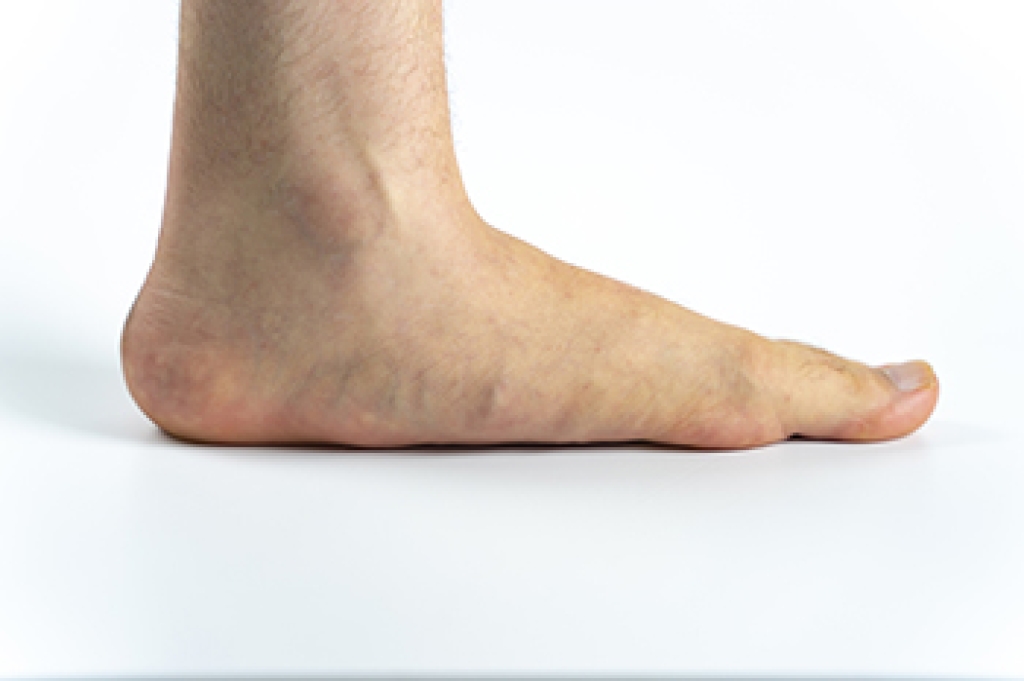
Flat feet occur when the arches of the feet collapse, leading to discomfort and imbalance. There are two main types. Flexible flat feet are present when the arch appears while sitting or standing on tiptoes but disappears when standing normally. Rigid flat feet show no arch at all regardless of position, often causing more stiffness and pain. Both conditions can affect mobility and lead to foot, ankle, or even knee problems, if untreated. A chiropodist can evaluate your foot structure, recommend supportive footwear or custom orthotics, and provide exercises or treatments to improve function and reduce pain. If flat feet are causing you pain, it is suggested that you consult a chiropodist who can offer effective treatment solutions.

Flat feet are a common foot condition. If you are experiencing pain or discomfort due to flat feet, please consult with one of the chiropodists from Complete Family Footcare & Therapy. Our clinicians will assess your condition and provide you with quality foot and ankle treatment. 

What Are Flat Feet? 

Flat feet are feet that do not have a well-defined arch in the middle of the sole of the foot. Flat feet may be flexible or rigid. Flexible flat feet have an arch when there is no pressure put on the foot, such as when one is sitting, but the arch disappears upon standing. Rigid flat feet lack an arch regardless of whether one is standing or not. 

Causes

Flat feet can be present from birth or acquired over time due to a weakening of the ligaments in the arch. Sometimes flat feet are caused by illnesses, injuries, or pregnancy. 

Symptoms

Flat feet often cause no noticeable symptoms. However, some people may experience pain and discomfort due to their flat feet. 

Symptoms associated with flat feet include:

  • Pain in the arch, heel, ankle, or along the outside of the foot
  • Overpronation of the foot
  • Shin splints
  • Aching or fatigue in the feet or legs
  • Pain in the knees, hips, or lower back

Treatment 

In cases where flat feet cause symptoms, there are various treatments available. Wearing orthotic inserts in your shoes to provide more arch support, performing stretches, and taking medications may improve your symptoms. If you are overweight, losing weight can help relieve pressure on the feet. In severe cases, surgery may be considered. 

If you have any questions please feel free to contact our offices located in North York and Mississauga, ON

Read more about Flat Feet

Protecting Your Feet With Water Shoes

When heading to the pool or beach, many people slip wearing flip flops, but water shoes provide far better protection. Flip flops leave your feet exposed to hot sand, rough surfaces, and sharp objects, while water shoes surround the foot with a protective, flexible covering. Their slip-resistant soles reduce the chance of falls on wet pool decks, something flip flops often fail to prevent. At the beach, water shoes guard against cuts from shells, rocks, or broken glass, as well as stings from hidden sea creatures. They also reduce the risk of fungal infections that thrive in damp areas like locker rooms and public showers. Unlike flip flops, which can cause blisters or strain from lack of support, water shoes offer comfort, stability, and safety. For foot or ankle injuries resulting from falls or ongoing foot concerns, it is suggested that you see a chiropodist for a proper evaluation and appropriate treatment.

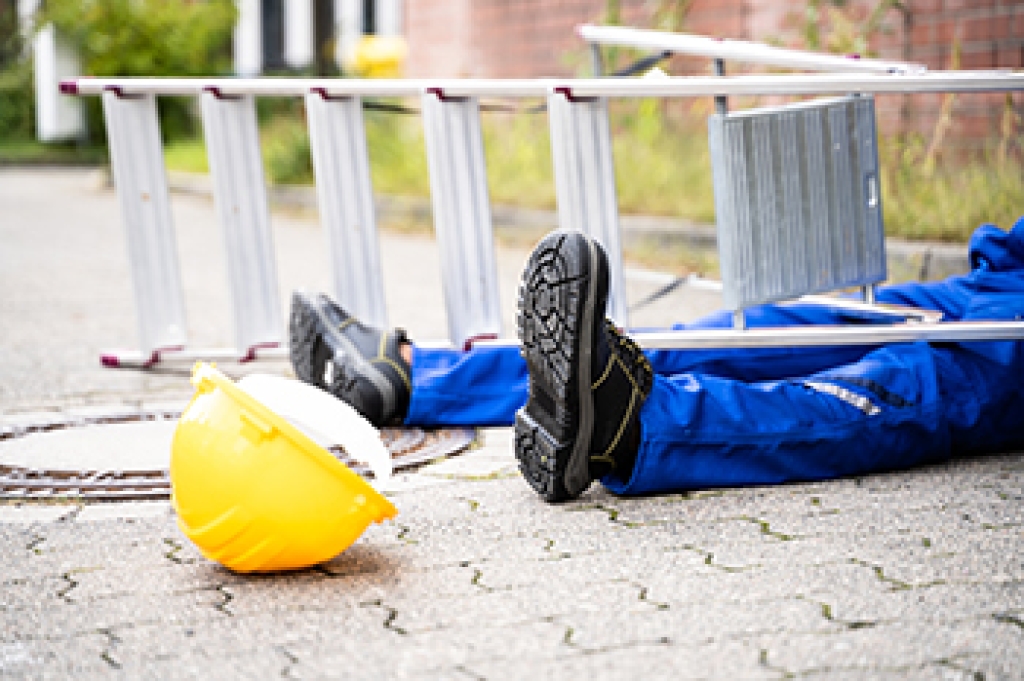
Falls are a major cause of injury among the elderly. To learn more about preventing falls or to get treatment following a foot or ankle injury caused by a fall, please consult with one of the chiropodists from Complete Family Footcare & Therapy. Our clinicians will assess your condition and provide you with quality foot and ankle treatment. 

Falling is one of the leading causes of injury among the elderly. It is said that about 50% of falls that result in hospitalization occur in the home. Fortunately, there are steps that you can implement to reduce your risk of falling in the home. 

Tips to Prevent Falls at Home:

  • In the bathroom - Place non-slip mats in the shower or tub, install grab bars near the toilet and bath, and wipe up any moisture or spills as soon as possible.
  • In the living rooms and bedroom - Remove loose wires, cords, or other objects that may be an obstacle to moving around safely. Make sure that you have good lighting throughout the home so that you can always see where you are going. Get rid of any rugs or mats that are not firmly anchored or that may cause you to trip. When walking around the home, move slowly.
  • In the kitchen - Store food and supplies in easily accessible areas, store heavy items in lower cupboards, and wipe up any spills immediately to prevent slipping.
  • On the stairs - Make sure that the stairs are well-lit and have secure handrails. Walk slowly when ascending or descending the stairs.
  • Outside - Keep walkways well-lit and clear of snow, ice, leaves, and man-made tripping hazards.

Maintaining your overall health, including the health of your feet, can also help to prevent falls. Eat a healthy diet, exercise regularly, and wear well-fitted, comfortable, and supportive shoes. If you have a mobility device, such as a cane, use it while walking.  

If you have any questions please feel free to contact our offices located in North York and Mississauga, ON

Read more about Falls Prevention

Get Professional Care for a Broken Foot or Ankle

Constant care and regular evaluation are important for a foot or ankle fracture. If left untreated, foot or ankle fractures can worsen over time and create more serious problems.

Don't wait to be examined if you believe you've experienced a foot or ankle fracture.

Risk Factors and Symptoms of Athlete’s Foot

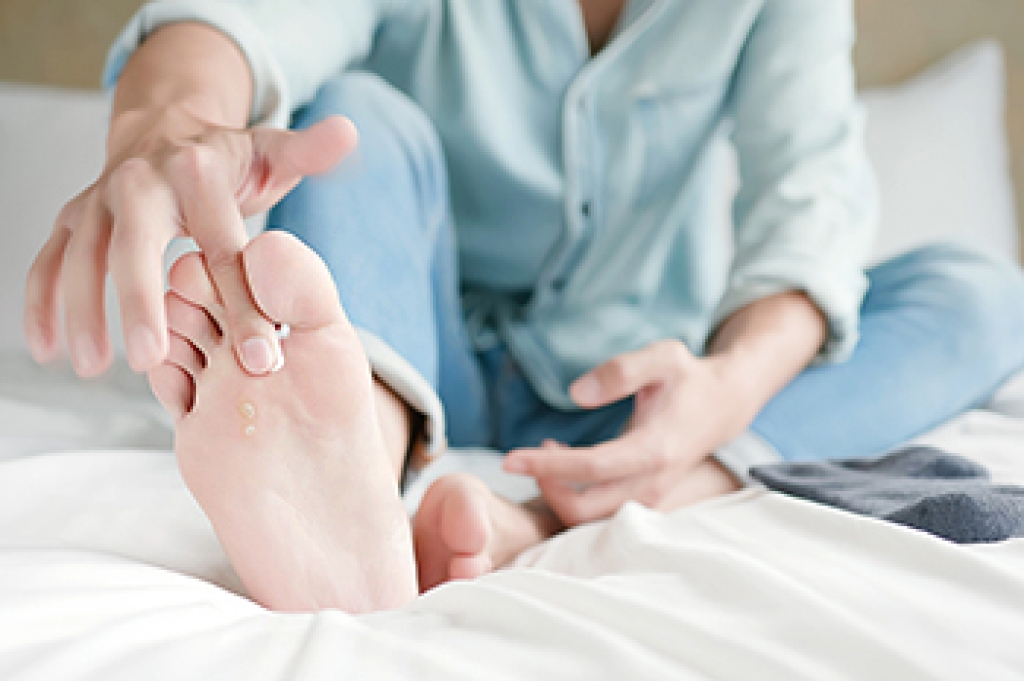
Athlete’s foot is a fungal infection that usually affects the skin between the toes or along the sides of the feet. It develops in warm, damp environments and often spreads in shared spaces such as public showers and pool areas. People who wear tight, non-breathable footwear, sweat heavily, or have minor injuries to the skin or nails are more at risk. Symptoms of athlete's foot include peeling or cracked skin, redness, itching, burning, or blisters that can leak fluid and become crusty. Athlete’s foot is highly contagious and can be passed through direct contact or by touching contaminated items like socks or surfaces. A chiropodist can identify the infection during an exam and may suggest a plan that includes medicated creams or oral antifungal medicine. If the infection does not go away, returns often, or causes severe discomfort, professional care is important. If you believe you have an athlete’s foot infection, it is suggested that you schedule an appointment with a chiropodist for expert advice.

Athlete’s foot can be uncomfortable and unsightly. To learn more about preventing and treating this condition, please consult with one of the chiropodists from Complete Family Footcare & Therapy. Our clinicians will assess your condition and provide you with quality foot and ankle treatment. 

What Is Athlete’s Foot? 

Athlete’s foot refers to an infection of the skin on the feet that is caused by a fungus. This fungus is contagious and thrives in warm and moist environments. It is often spread in common areas such as public pools, locker rooms, and showers. It can also spread when sharing personal items, like shoes or towels, with an infected person. 

Symptoms

The symptoms of athlete’s foot may include: 

  • Itching, stinging, or burning of the skin on the feet
  • Cracking or peeling skin, especially between the toes and on the soles of the feet
  • Scaly, red rash on the foot
  • Blisters
  • Foul odor

Treatment

Treatment for athlete’s foot typically involves using over-the-counter topical antifungal medications on the feet. When over-the-counter options are ineffective, you may need to take prescription oral medications or topical antifungal drugs, or a combination of both. 

Prevention

Preventing athlete’s foot places an emphasis on good foot hygiene practices. 

You can prevent athlete’s foot by:

  • Washing and drying your feet thoroughly every day
  • Wearing shoes when walking in public areas
  • Not sharing personal items, like shoes or socks, with others
  • Wearing shoes and socks made out of breathable materials

If you have any questions please feel free to contact our offices located in North York and Mississauga, ON

Read more about Athlete's Foot

When a Bump on the Side of Your Foot Begins to Bother You

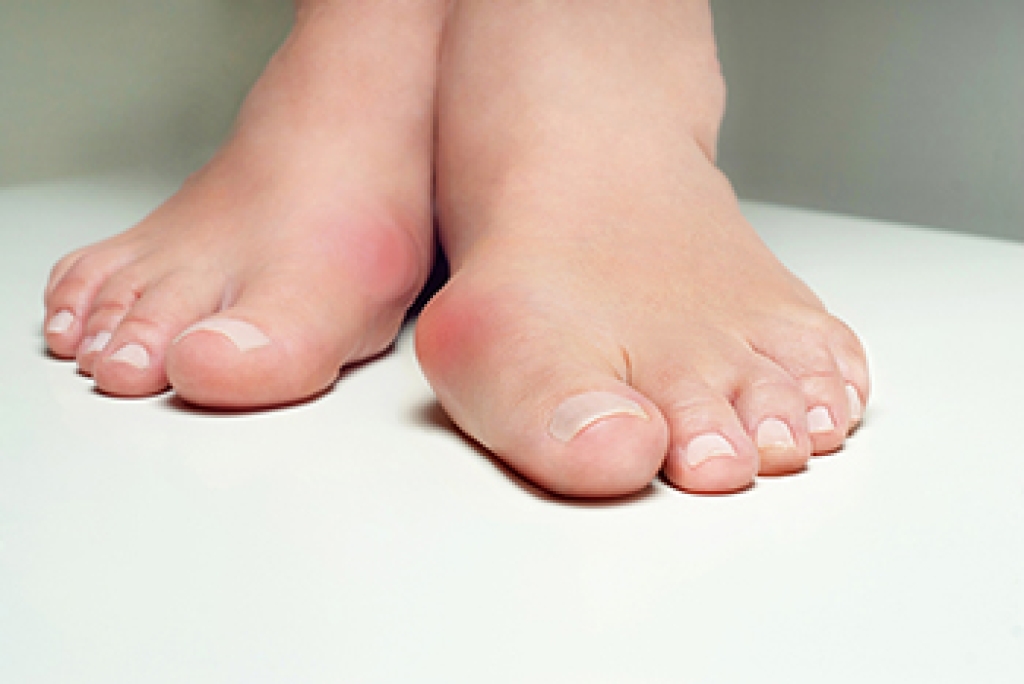
A bony bump forming near the base of the big toe is more than just a visual concern, it often signals the early stages of a bunion. This structural shift occurs when the big toe angles inward, crowding neighboring toes and putting stress on the joint. Over time, this misalignment may lead to discomfort, swelling, or difficulty finding shoes that fit properly. Bunions can be influenced by inherited foot shape, poor footwear choices, or conditions like arthritis. Some people live with mild symptoms, while others experience increasing pain that interferes with walking or daily activity. Padding, shoe modifications, and targeted support can help manage discomfort, but progression may require more involved care. If you have noticed a growing bump near your big toe or changes in your foot shape, it is suggested that you schedule an appointment with a chiropodist for a diagnosis and appropriate treatment.

Bunions progressively worsen over time and may cause walking in your shoes to become difficult. To learn more about bunions, please consult with one of the chiropodists from Complete Family Footcare & Therapy. Our clinicians will assess your condition and provide you with quality foot and ankle treatment. 

What Are Bunions? 

A bunion is a bony bump that protrudes from the base of the big toe. Bunions are caused due to a misalignment of the first metatarsal. The characteristic bump of a bunion forms when the metatarsal shifts outwards from its proper position. Bunions develop slowly over time and progressively worsen without treatment. The skin over the bunion may develop calluses due to the friction from shoes. Eventually, a bunion can make walking uncomfortable or even painful. Bunions are one of the most common foot deformities and are especially common in women and older adults.

Symptoms

A bunion appears as a bulging bump on the outside of the base of the big toe.

The bunion may also: 

  • Be swollen, red, or sore
  • Develop corns or calluses over it
  • Cause pain
  • Limit the big toe’s range of motion

Treatment

There are several different treatments available for bunions. Conservative treatment options include wearing shoes with a wider toe box, cushioning the bunion with a specialized pad, wearing shoe inserts, icing the bunion if it becomes inflamed, and taking medications to relieve pain. In more severe cases, more invasive procedures may be done. This may involve removing the swollen tissue around the bunion, straightening the big toe, realigning the bones at the front of the foot, or a combination of these procedures. 

If you have any questions please feel free to contact our offices located in North York and Mississauga, ON

Read more about Bunions

Connect With Us

Advanced Podiatric Procedures & Services in the North York, ON M2J 2K9 (Newtonbrook, York Mills, Willowdale, Clanton Park, Parkwoods, Don Mills, Milliken, Thornhill, Langstaff, Agincourt, Bayview Village) and Mississauga, ON L5L 5M5 (Erin Mills, Erindale, Cooksville, Port Credit, Clarkson, Streetsville, West Oak Trails, Clearview, Uptown Core, Kerr Village) areas