What Foot Corns Look Like and Why They Hurt

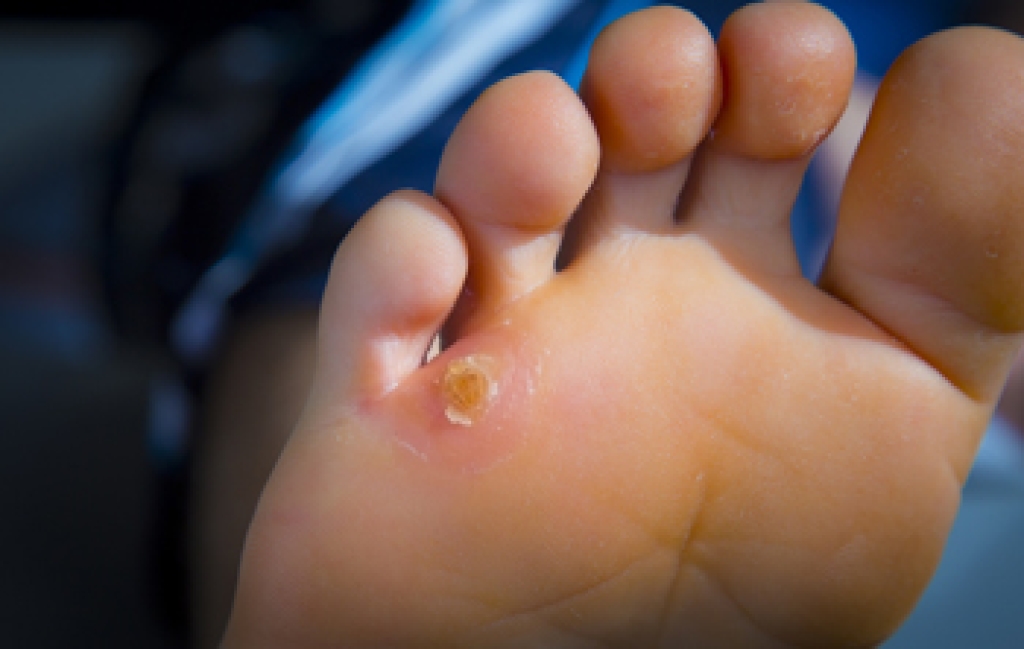
Foot corns are easy to identify once understood. They appear as raised, thickened skin with a central core that presses into deeper layers, causing pain during walking or standing. These areas may look yellowish or gray. They are commonly found on pressure points, such as the tops of toes or between them. Hard corns are the most common and feel firm, while soft corns appear between toes due to moisture and tend to be more tender. Symptoms include sharp pain when pressure is applied, surrounding redness, and skin irritation. The primary causes include friction from wearing tight shoes, repeated stress on specific foot areas, and structural imbalances. Risk factors such as aging, improper gait, and prolonged standing increase susceptibility. Understanding their appearance and causes can support early intervention and reduce discomfort. If you notice persistent or painful corns, it is strongly suggested you consult a chiropodist for effective relief and prevention tips.

Corns are small bumps or dry, hardened skin that can arise on the feet, usually in response to friction. Corns can be asymptomatic, or they can be uncomfortable or painful. If you have corns that are bothering you, please consult with one of the chiropodists from Complete Family Footcare & Therapy. Our clinicians can help you maintain the health of your lower limbs and your mobility. 

There are three types of corns:

  • Hard corns
    • Often occur on the tops of toes
    • Feature a hard core surrounded by dry, irritated skin
    • Can be painful
  • Soft corns
    • Often occur in between the toes
    • Soft due to constant exposure to sweat
    • Can be painful
  • Seed corns
    • Tiny
    • Often occur on the soles of the feet
    • Usually asymptomatic

Corns can be prevented by wearing shoes that fit properly. They are typically benign and don’t require medical treatment. However, if your corns are causing you pain or discomfort, don’t hesitate to reach out to a chiropodist near you for treatment options. If you have any questions please feel free to contact our offices located in North York and Mississauga, ON

Read more about Corns on the Feet

Causes of Toe Pain and Black Toenails in Runners

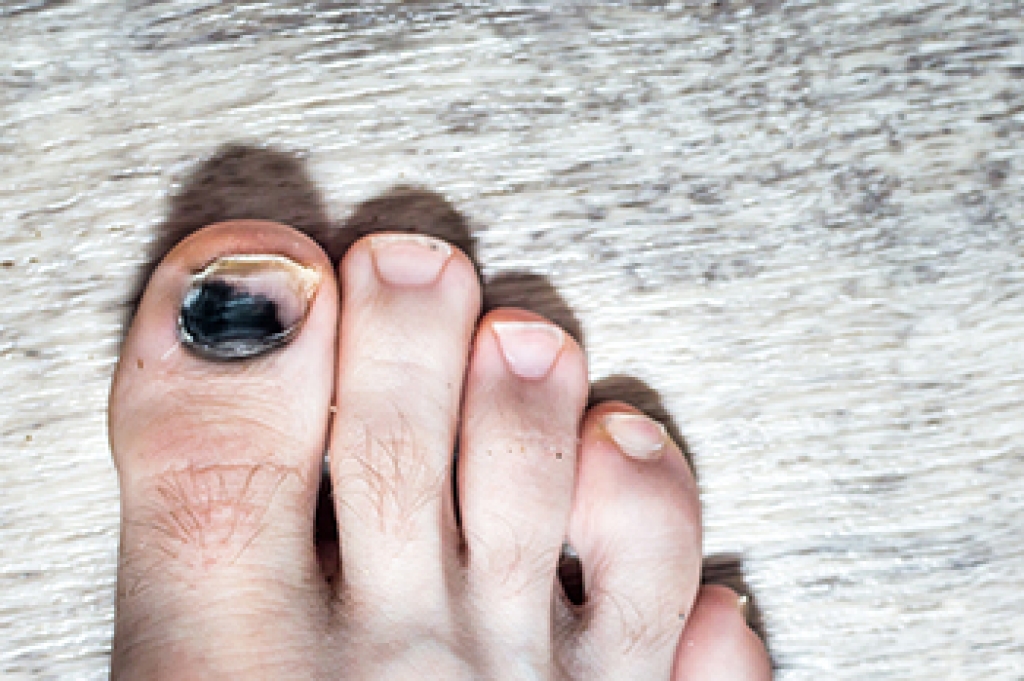
Toe pain is a common condition that affects the small joints, soft tissue, and nails of the toes, often interfering with walking and physical activity. In runners, one frequent cause of toe pain is the development of black toenails. Medically known as a subungual hematoma, this occurs when blood collects under the nail due to repeated impact. This condition is often caused by running extensive miles, repetitive trauma, and the toe repeatedly hitting the front of shoes during movement. Symptoms include discoloration of the nail, tenderness, throbbing pain, and pressure beneath the nail surface. Risk factors include wearing tight or poorly fitted running shoes, long-distance training, downhill running, and improper nail trimming. Continued friction and pressure can worsen discomfort and lead to nail loss if untreated. Preventive steps include selecting well-fitted footwear, maintaining proper nail care, and reducing repetitive stress. If you have toe pain or black toenails from running, it is suggested that you consult a chiropodist to explore effective relief and management solutions.

Toe pain is common and can have a variety of causes. Causes can range from a broken toe to an ingrown toenail. Many types of toe pain can be corrected, but any toe pain that inhibits your activities for an extended period should be discussed with a chiropodist. If you suffer from toe pain, please consult with one of the chiropodists from Complete Family Footcare & Therapy. Our clinicians can help you maintain the health of your feet.

Common Causes of Toe Pain 

  • Trauma or fracture
  • Cuts, sores, or bruises
  • Rheumatoid arthritis
  • Gout
  • Turf Toe
  • Morton’s neuroma
  • Blisters
  • Corns
  • Bunions
  • Hammertoes
  • Ingrown toenails
  • Plantar warts
  • Athlete’s Foot

Symptoms of Toe Pain

  • Toe deformity
  • Burning
  • Numbness
  • Toenail deformity
  • Wart or ulcer
  • Swelling
  • Redness

When to See a Chiropodist

  • Bleeding or severe swelling
  • Trauma, such as a broken bone
  • Discoloration or extreme swelling
  • Inability to bear weight
  • Persistent pain
  • Wounds that won’t heal

Diagnosis of Toe Pain

A chiropodist can conduct a thorough examination of the painful toe or toes in order to determine the best course of treatment. The exam may include assessing the tenderness of the area, taking an X-ray or other diagnostic test, or assessing your gait and range of motion. A discussion of what led to the advanced pain issue may follow. Included will likely be a health history, as well as a list of medications you are taking and other previous injuries you may have sustained.

Treatment for Toe Pain

With such a wide range of possible causes for toe pain, treatment can be varied in scope and length. Sometimes, the chiropodist will recommend lifestyle and activity changes. In cases of trauma or other injuries, X-rays or imaging tests will likely be used to determine the severity of the problem, particularly if any bones have been broken. Treatment may also include injections of pain-relief medication or anti-inflammatory drugs. Certain injuries will require the splinting, bracing, or wrapping of injured toes. Orthotics or special shoes may be prescribed in cases of bone deformities and gait issues. Removal of warts, calluses, and corns may be needed. In other cases, such as with patients who have diabetes or rheumatoid arthritis, ongoing treatment may be required to avoid more serious problems. 

If you have any questions please feel free to contact our offices located in North York and Mississauga, ON

Read more about Toe Pain

Heel Pain in the Morning?

Heel pain can negatively affect your day-to-day life. Simple activities like walking can become incredibly uncomfortable or painful due to heel pain.

Don’t live with heel pain and get treated.

Possible Causes of Heel Pain

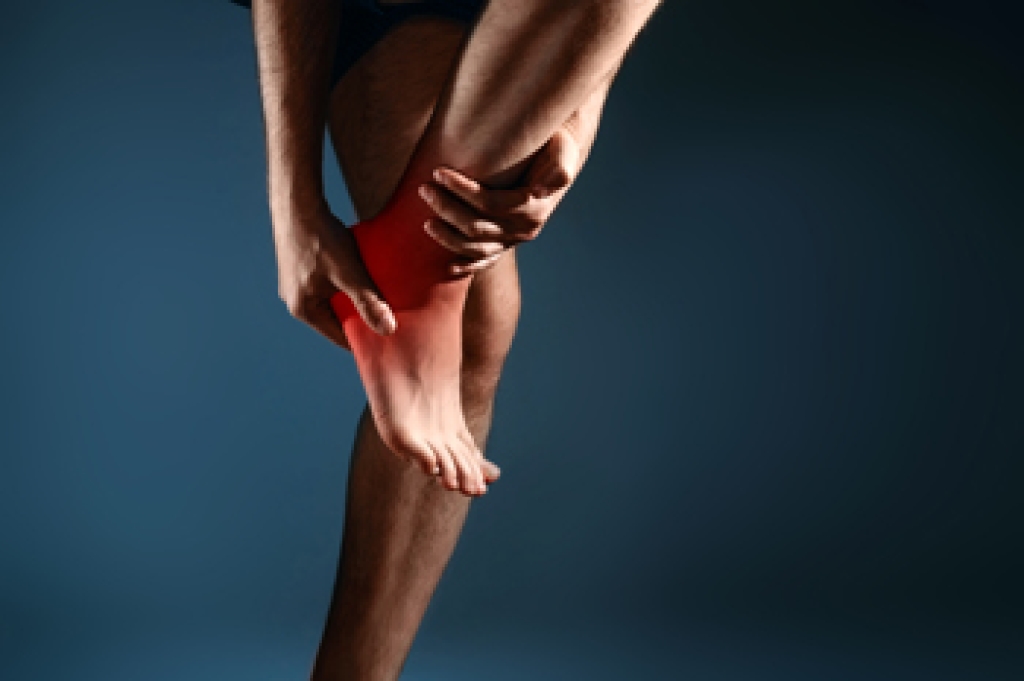
Heel pain can make every step uncomfortable. It often affects daily activities, work, and exercise. One of the most frequent causes of heel pain is irritation of the thick band of tissue on the bottom of the foot. This is called the plantar fascia, which supports the arch. Heel pain also includes problems affecting the heel pad, the Achilles tendon, or nearby nerves. Pain is sometimes worse with the first steps in the morning or after sitting for a long time. It can also become more noticeable while walking, standing, or being active. A chiropodist can identify the cause of your heel pain through a detailed assessment and recommend treatment to reduce discomfort and improve foot function. Treatment includes custom foot orthotics, padding, and footwear recommendations. Other non-invasive care is based on the severity of your specific condition. Early diagnosis can help prevent the problem from becoming more severe. If you have heel pain, it is suggested that you schedule an appointment with a chiropodist for an accurate diagnosis and appropriate treatment.

Heel pain is a common problem that can be caused by a variety of injuries, medical conditions, and other factors. If you suffer from heel pain, please consult with one of the chiropodists from Complete Family Footcare & Therapy. Our clinicians can help you maintain the health of your lower limbs and your mobility. 

When it comes to heel pain, the exact location and type of pain are important to note. Some of the conditions that may cause heel pain include: 

  • Plantar fasciitis - An inflammation of the ligament that runs along the bottom of the foot; it causes a stabbing pain under the heel that is at its worst when taking your first few steps after a long rest and while standing on your tiptoes or climbing stairs
  • Achilles tendonitis - An inflammation of the tendon in the back of the calf; it causes pain in the back of the heel that is at its worst after resting, as well as ankle and calf stiffness, swelling, and tenderness
  • Bone spurs - Bony lumps on the back of the heel bones that cause sharp pain upon first standing up; the pain becomes dull and achy over time
  • Heel fractures - A break or crack in the heel bone that causes pain, swelling, and difficulty walking
  • Retrocalcaneal bursitis - Swelling of the small, fluid-filled sac at the back of the heel bone; it causes pain, swelling, redness, and warmth in the back of the heel
  • Tarsal tunnel syndrome - Compression of the posterior tibial nerve which causes a pins and needles sensation in the heel, foot, and calf 

Your chiropodist will be able to diagnose the underlying cause of your pain and prescribe the right treatments for you. If you have any questions please feel free to contact our offices located in North York and Mississauga, ON

Read more about Heel Pain

What Causes Foot Blisters and When to Seek Treatment

Blisters are small pockets of fluid that form beneath the upper layer of the skin after repeated pressure or rubbing. They develop to protect the damaged area while the skin heals. On the feet, blisters usually result from wearing shoes that do not fit properly or shoes that lack proper support. They can also appear after long periods of activity, like running or hiking. Most blisters contain clear fluid, but some contain blood. A blood blister forms after a harder pinch or bruise damages tiny blood vessels beneath the skin. A chiropodist can determine the cause of recurring or painful blisters and provide safe and sterile treatment. Popping a blister yourself is not recommended. Proper care includes sterile drainage when appropriate, protective dressings, and padding to reduce pressure and help prevent further irritation. A chiropodist can also identify skin infections or other foot conditions that contribute to blister formation. If you have blisters on your feet that are causing pain or appear infected, it is suggested that you schedule an appointment with a chiropodist for relief and treatment.

Blisters can usually be treated at home, however, if you have recurring blisters or experience significant discomfort or pain, please consult with one of the chiropodists from Complete Family Footcare & Therapy. Our clinicians will assess your condition and provide you with quality foot and ankle treatment. 

What Is a Blister? 

A blister is a small pocket of fluid in the upper skin layers and is one of the body’s natural responses to injury or pressure. Blisters can also result from burns, fungal or viral skin infections, and the feet are particularly prone due to ill-fitting footwear and friction. Friction on the skin causes the upper layer of skin to separate from the lower layers. The space that this separation creates then becomes filled with a liquid called serum, which protects the lower layers of skin. 

Treatment 

If you notice a blister on your foot, you can cover it with a soft bandage or dressing to protect it. Popping the blister is discouraged. Doing so exposes the raw skin underneath it to bacteria and also raises the risk of infection. If a blister pops naturally, let it drain before covering it with a bandage. Blisters usually heal on their own or with home treatment, however, if your blister is recurring, very painful, or appears infected, it is recommended that you see a chiropodist for treatment. 

Prevention

You can help to prevent blisters by wearing comfortable, well-fitted shoes. Keep your feet dry by wearing moisture-wicking socks and dust your feet with talcum powder if they tend to get sweaty. If you have areas on your feet that are more susceptible to blisters, you might be able to prevent the blister from forming by covering it with a pad. 

If you have any questions please feel free to contact our offices located in North York and Mississauga, ON

Read more about Blisters

Connect With Us

Advanced Podiatric Procedures & Services in the North York, ON M2J 2K9 (Newtonbrook, York Mills, Willowdale, Clanton Park, Parkwoods, Don Mills, Milliken, Thornhill, Langstaff, Agincourt, Bayview Village) and Mississauga, ON L5L 5M5 (Erin Mills, Erindale, Cooksville, Port Credit, Clarkson, Streetsville, West Oak Trails, Clearview, Uptown Core, Kerr Village) areas