Items filtered by date: August 2024
High Heels Linked to Foot and Ankle Pain
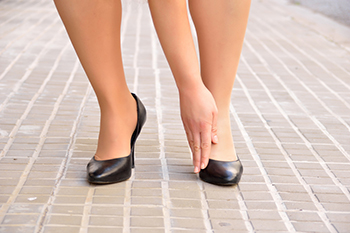 In a recent study of foot pain, a link was found between certain types of shoes, including high heels, pumps, and sandals, and foot pain among women. The research highlights the significance of footwear choices beyond mere fashion, emphasizing the importance of support and structure in shoes to decrease or eliminate foot pain. Foot and toe pain ranks among the top reasons for visits to a chiropodist. This is especially true among older individuals and women far more often than men. High-heeled shoes often lack the necessary shock absorption features found in sneakers and athletic footwear. Over a period of time, this can lead to increased stress on the heel and ankle with each step. It's imperative for individuals, especially young women, to make informed decisions about their footwear to protect their foot health in the long term. A chiropodist can offer tailored solutions to alleviate foot pain and improve overall foot health. For help with foot pain that may be the result of specific types of shoes, it is suggested that you make an appointment with a chiropodist.
High heels have been in style for centuries, but unfortunately, they have also been damaging feet for centuries. If you would like to learn more about how high heels can hurt your feet, please consult with one of the chiropodists from Complete Family Footcare & Therapy. Our clinicians can help you maintain the health of your lower limbs and your mobility.
High heels can cause a variety of problems, including:
Foot and ankle pain
Foot and ankle injuries
Toe pain and deformities
Gait abnormalities
Achilles tendonitis
Changes in posture
Difficulty balancing
Leg, hip, and back pain
If you are reluctant to abandon your high heels, you can still wear them, but should take measures to minimize damage to your feet:
Wear shoes with heels no higher than 2 inches
Choose properly fitted shoes
Choose shoes with a wide toe box
Wear high heels infrequently
When wearing high heels, take them off periodically to stretch and relax your feet
If you have any questions, please feel free to contact our offices located in . We offer the newest diagnostic and treatment technologies for all your foot care needs.
Seasonal Falls Prevention
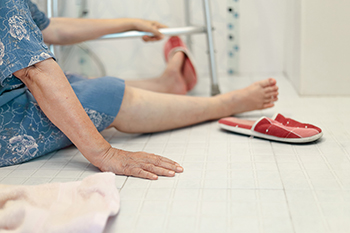
Falls prevention requires season-specific strategies to ensure safety year-round. In winter, icy and snowy conditions increase the risk of slipping. Wear shoes with good traction, use handrails, and keep walkways clear of ice. While indoors, remove wet shoes promptly to avoid slippery floors. Spring brings wet, muddy surfaces. Ensure outdoor walkways are dry and clear and use slip-resistant mats inside. Clean up any mud tracked indoors immediately. Summer activities often involve uneven terrain. Wear appropriate footwear, stay hydrated to avoid dizziness, and be cautious on wet poolside areas. In autumn, fallen leaves can be slippery. Keep pathways clear, use sturdy footwear, and ensure proper lighting as days shorten. Regardless of the season, maintain regular exercise to improve strength and balance, and consult a chiropodist if you have concerns about your risk of falling or experience any unusual ankle or foot problems.
Falls are a major cause of injury among the elderly. To learn more about preventing falls or to get treatment following a foot or ankle injury caused by a fall, please consult with one of the chiropodists from Complete Family Footcare & Therapy. Our clinicians will assess your condition and provide you with quality foot and ankle treatment.
Falling is one of the leading causes of injury among the elderly. It is said that about 50% of falls that result in hospitalization occur in the home. Fortunately, there are steps that you can implement to reduce your risk of falling in the home.
Tips to Prevent Falls at Home:
In the bathroom - Place non-slip mats in the shower or tub, install grab bars near the toilet and bath, and wipe up any moisture or spills as soon as possible.
In the living rooms and bedroom - Remove loose wires, cords, or other objects that may be an obstacle to moving around safely. Make sure that you have good lighting throughout the home so that you can always see where you are going. Get rid of any rugs or mats that are not firmly anchored or that may cause you to trip. When walking around the home, move slowly.
In the kitchen - Store food and supplies in easily accessible areas, store heavy items in lower cupboards, and wipe up any spills immediately to prevent slipping.
On the stairs - Make sure that the stairs are well-lit and have secure handrails. Walk slowly when ascending or descending the stairs.
Outside - Keep walkways well-lit and clear of snow, ice, leaves, and man-made tripping hazards.
Maintaining your overall health, including the health of your feet, can also help to prevent falls. Eat a healthy diet, exercise regularly, and wear well-fitted, comfortable, and supportive shoes. If you have a mobility device, such as a cane, use it while walking.
If you have any questions, please feel free to contact our offices located in . We offer the newest diagnostic and treatment technologies for all your foot care needs.
Plantar Fasciitis and Prevention Tips
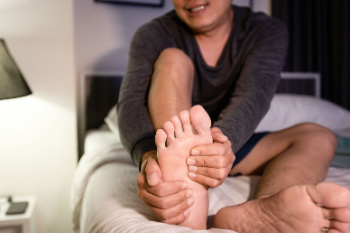 Plantar fasciitis is a foot condition that causes pain in the heel and bottom of the foot. It occurs when the plantar fascia, a thick band of tissue running across the bottom of the foot, becomes inflamed. This inflammation is often due to repetitive stress or overuse, particularly in activities that involve a lot of walking, running, or standing on hard surfaces. Individuals with flat feet or high arches are also more prone to this condition. The pain from plantar fasciitis is usually sharp and most intense with the first steps in the morning or after long periods of rest. Preventing plantar fasciitis involves maintaining a healthy weight, wearing supportive shoes, and avoiding prolonged standing or walking on hard surfaces. Stretching exercises for the feet and calves can also help keep the plantar fascia flexible. If you experience persistent foot pain, it is suggested that you schedule an appointment with a chiropodist for a proper diagnosis and effective treatment plan.
Heel pain is a common problem that can be caused by a variety of injuries, medical conditions, and other factors. If you suffer from heel pain, please consult with one of the chiropodists from Complete Family Footcare & Therapy. Our clinicians can help you maintain the health of your lower limbs and your mobility.
When it comes to heel pain, the exact location and type of pain are important to note. Some of the conditions that may cause heel pain include:
Plantar fasciitis - An inflammation of the ligament that runs along the bottom of the foot; it causes a stabbing pain under the heel that is at its worst when taking your first few steps after a long rest and while standing on your tiptoes or climbing stairs
Achilles tendonitis - An inflammation of the tendon in the back of the calf; it causes pain in the back of the heel that is at its worst after resting, as well as ankle and calf stiffness, swelling, and tenderness
Bone spurs - Bony lumps on the back of the heel bones that cause sharp pain upon first standing up; the pain becomes dull and achy over time
Heel fractures - A break or crack in the heel bone that causes pain, swelling, and difficulty walking
Retrocalcaneal bursitis - Swelling of the small, fluid-filled sac at the back of the heel bone; it causes pain, swelling, redness, and warmth in the back of the heel
Tarsal tunnel syndrome - Compression of the posterior tibial nerve which causes a pins and needles sensation in the heel, foot, and calf
Your chiropodist will be able to diagnose the underlying cause of your pain and prescribe the right treatments for you. If you have any questions, please feel free to contact our offices located in . We offer the newest diagnostic and treatment technologies for all your foot care needs.
Ankle Fractures
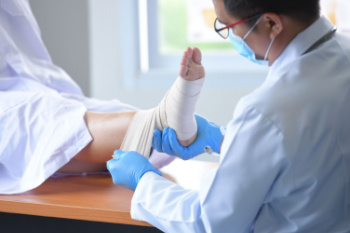
Ankle fractures vary in severity and location, affecting the bones around the ankle joint. The lateral malleolus fracture involves a break in the fibula, which is the smaller bone on the outside of the ankle. This type of fracture commonly occurs due to twisting or rolling the ankle. In contrast, a bimalleolar fracture involves both the lateral malleolus and the medial malleolus, a part of the tibia on the inside of the ankle. Bimalleolar fractures are often more complex and may result from significant trauma or falls. The location of these breaks influences treatment options and recovery time, with bimalleolar fractures generally requiring surgery to stabilize the ankle joint and promote proper healing. Prompt medical attention and appropriate treatment are vital to ensure optimal recovery and reduce the risk of long-term complications such as instability or arthritis in the ankle joint. If you have fractured your ankle, it is suggested that you consult a chiropodist who can guide you toward the treatment that is best for you.
test template
Are You Suffering From Ingrown Toenails?

If left untreated, an ingrown toenail can lead to more serious concerns, such as an infection. Knowing proper nail care can help in the prevention of an ingrown toenail. Give us a call, and get treated!
